

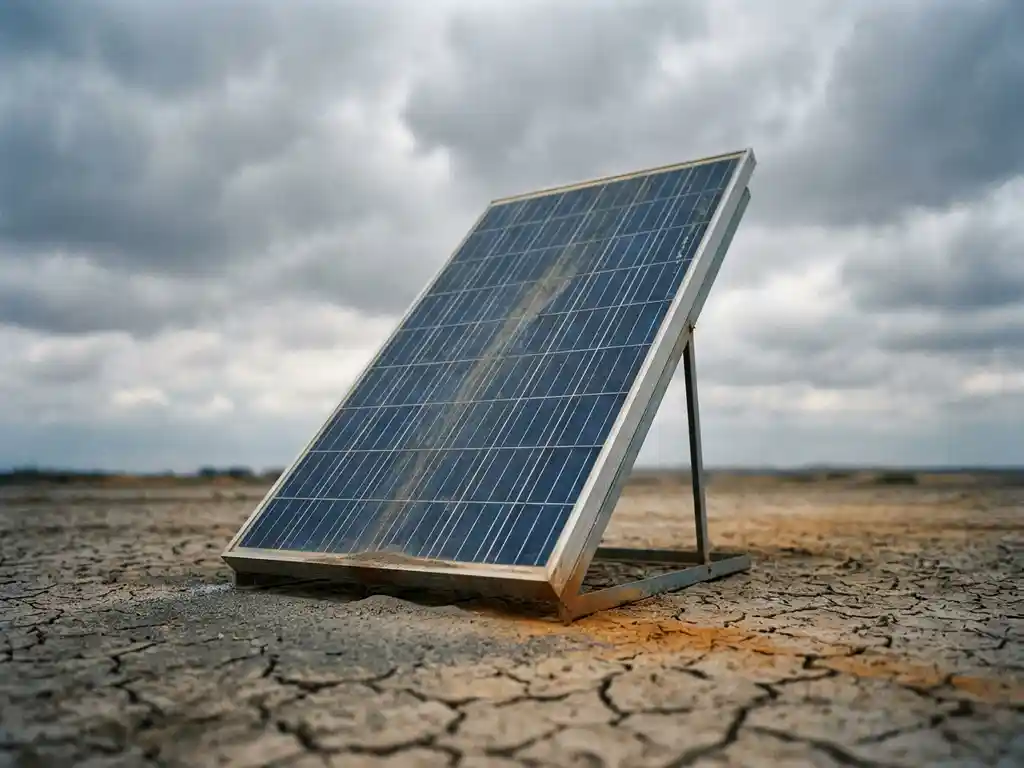
Manufacturing solar panels does produce a carbon footprint, primarily during the energy-intensive production process. The lifecycle carbon emissions of solar panels typically range from around 20 to 50 grams of CO₂ equivalent per kilowatt-hour of electricity generated, depending on where and how they are made. While this is significantly lower than fossil fuel generation, it is not zero—and for industries that need heat rather than electricity, solar power has clear limitations as a decarbonisation tool.
Counting only operational emissions leaves your Scope 1 footprint unaddressed
Many sustainability managers focus their reporting on what comes out of the chimney during operations, but the embedded carbon in the equipment and infrastructure used to generate renewable energy is a real and measurable part of the picture. When a company installs solar panels and counts the electricity as “clean,” the upstream manufacturing emissions go unaccounted for in most internal carbon budgets. This creates a blind spot in lifecycle thinking that can undermine the credibility of net-zero commitments.
The fix is straightforward: apply lifecycle assessment (LCA) thinking to every technology in your energy mix, not just the fuels you burn. That means asking suppliers for full value-chain emissions data and factoring manufacturing emissions into your overall decarbonisation strategy. For companies with formal Scope 3 reporting obligations, this is increasingly a compliance requirement, not just best practice.
Relying on electricity-based renewables is stalling your industrial heat decarbonisation
Solar panels generate electricity, but most industrial processes run on heat—and converting electricity to high-temperature heat at scale is expensive and often technically constrained. For food processing, specialty chemicals, and pulp and paper, heat demand is continuous, high-temperature, and difficult to electrify without major infrastructure investment. If your decarbonisation roadmap is built primarily around solar- or wind-powered electrification, you may be pushing the hardest part of the problem further down the timeline. Addressing industrial heat directly, with technologies specifically designed for that purpose, is a more direct path to meaningful Scope 1 reductions.
What stages of solar panel production emit the most CO₂?
The most carbon-intensive stages of solar panel manufacturing are silicon purification, wafer production, and cell processing. These three steps require extremely high temperatures and large amounts of electricity, and together they account for the majority of a solar panel’s total lifecycle emissions. Silicon purification alone is responsible for a substantial share of that total, largely because it requires temperatures above 1,400°C—typically achieved using fossil fuel energy in most manufacturing regions.
The Siemens process used to refine silicon into the high-purity form required for photovoltaic cells is particularly energy-intensive. After purification, cutting silicon into wafers, doping the cells, and applying anti-reflective coatings all add further energy demand, each step compounding the panel’s embedded carbon before it ever generates a watt of electricity.
Beyond the core manufacturing steps, producing the aluminium frames, glass panels, and encapsulant materials also contributes to the overall carbon footprint. Aluminium smelting, in particular, is one of the more energy-intensive industrial processes globally. The total emissions profile of a solar panel depends heavily on whether the energy powering these manufacturing steps comes from coal, gas, or renewable sources—making manufacturing location a critical variable (see below).
How does solar panel manufacturing compare to fossil fuel energy sources?
On a lifecycle basis, solar panels emit significantly less CO₂ per unit of electricity generated than fossil fuel sources. Coal-fired electricity typically produces around 800 to 1,000 grams of CO₂ equivalent per kilowatt-hour. Solar panels, over their full operational lifetime, produce roughly 20 to 50 grams of CO₂ equivalent per kilowatt-hour—a reduction of roughly 95% or more. This comparison holds because the carbon emitted during manufacturing is spread across the panel’s operational lifetime, which typically spans 25 to 30 years.
However, this comparison is less relevant when the energy need is heat rather than electricity. Fossil fuels used in industrial boilers are evaluated not just on carbon intensity per kilowatt-hour, but also on their ability to deliver high-temperature, continuous heat at a competitive cost. Solar electricity does not translate directly into that application without significant conversion losses, which changes both the economics and the emissions calculus considerably.
Does where solar panels are manufactured affect their carbon footprint?
Yes, manufacturing location has a significant effect on a solar panel’s embedded carbon footprint. Panels made in regions where the electricity grid is powered primarily by coal have substantially higher lifecycle emissions than panels made where the grid is cleaner or where manufacturers use on-site renewable energy.
China currently produces the majority of the world’s solar panels, and its electricity grid still relies heavily on coal. This means that a large proportion of panels on the global market carry a higher manufacturing carbon footprint than their specifications might suggest. By contrast, panels manufactured in Europe, or produced using dedicated renewable energy, have a noticeably lower embedded carbon profile.
This geographic factor is increasingly relevant for companies conducting lifecycle assessments or seeking to meet standards that account for supply chain emissions. Procurement decisions that consider the origin of renewable energy equipment are becoming part of a more complete approach to Scope 3 emissions management.
What are the limitations of solar power for industrial decarbonisation?
Solar power has two core limitations for industrial decarbonisation: it generates electricity rather than heat, and it is intermittent. Most industrial processes—in sectors such as food and beverage, specialty chemicals, and pulp and paper—require continuous, high-temperature heat that solar electricity cannot deliver cost-effectively without significant conversion infrastructure and storage solutions.
Industrial heat demand is often round-the-clock and process-critical. A food production line, a chemical reactor, or a paper drying process cannot pause when the sun goes down or when cloud cover reduces generation. Building battery storage or grid backup capacity to cover those gaps adds substantial cost and complexity.
Beyond intermittency, the temperature requirements of many industrial processes present a further barrier. Generating steam or process heat above 300°C from electricity requires heat pumps or electric boilers that carry high capital costs and may face grid capacity constraints. For many industrial operators, this makes full electrification via solar a long-term aspiration rather than a near-term solution. Exploring dedicated industrial heat decarbonisation solutions is often a more direct path for companies with urgent Scope 1 reduction targets.
What are the cleanest alternatives to fossil fuels for industrial heat?
The cleanest alternatives for industrial heat currently include green hydrogen, biomass, electrification via heat pumps or electric boilers, and emerging technologies such as iron fuel. Each option has a different emissions profile, infrastructure requirement, and cost structure, and the right choice depends on the temperature level required, available infrastructure, and the carbon intensity of local energy sources.
Green hydrogen
Green hydrogen can deliver very high temperatures and near-zero emissions when produced from renewable electricity, but it requires significant infrastructure investment and faces supply and cost challenges in many regions. Its emissions benefit is also contingent on the carbon intensity of the electricity used to produce it.
Biomass
Biomass is widely used as an industrial heat source but raises land-use and sustainability questions that affect its long-term viability as a genuinely low-carbon option. Lifecycle accounting for biomass varies significantly depending on feedstock origin and supply chain practices.
Electrification
Electrification via heat pumps or electric boilers works well for lower-temperature processes but becomes costly and infrastructure-constrained at higher temperatures. Grid capacity limitations are a practical constraint for many industrial sites.
Iron fuel
Iron fuel is one of the newer entrants in this space. It burns as a solid powder, produces only iron oxide as a combustion byproduct, and the iron oxide is then regenerated back into iron fuel using hydrogen—completing a circular cycle with zero direct CO₂ emissions during combustion. You can read more about how the technology works on the Iron Fuel Technology page.
How RIFT addresses industrial heat decarbonisation with Iron Fuel Technology
RIFT (Renewable Iron Fuel Technology) developed Iron Fuel Technology (IFT) specifically to address the gap that solar, wind, and electrification cannot easily fill: high-temperature, continuous industrial heat with zero direct CO₂ emissions. Our Iron Fuel Boiler integrates with existing boiler infrastructure, so industrial operators do not need to replace their entire setup to get started.
The Iron Fuel Boiler’s performance is based on demonstration-scale (TRL7) data. Key verified characteristics include:
- Zero direct CO₂ emissions during combustion, with only a minor pilot safety flame contributing 10 kg of CO₂ per MWh of heat produced (MWhth)
- Up to 95% energy efficiency, outperforming many conventional fossil fuel boiler systems
- Ultra-low NOx emissions of under 5 mg/MJ — RIFT claims this is the lowest of any fuel currently available, based on our own testing data
- Circular fuel cycle: iron oxide produced during combustion is regenerated back into iron fuel using hydrogen, with zero CO₂ or NOx produced during that regeneration process
- Drop-in compatibility: designed to work alongside existing fossil fuel boilers, reducing capital disruption and implementation risk
If you are evaluating decarbonisation options for your industrial heat processes and want to understand whether iron fuel fits your setup, get in touch with our team to discuss your specific situation.
Related Articles
- How can companies use renewable energy?
- What are the benefits of green energy projects?
- What is the role of hydrogen in the energy transition?
- Is renewable energy reliable enough for everyday use?
- How long does it take to transition to 100% renewable energy?
This content was generated with the help of AI and it may contain mistakes