Join the movement

Let's talk

opzuid
ijzerkracht

Ongoing

A circular
iron cycle

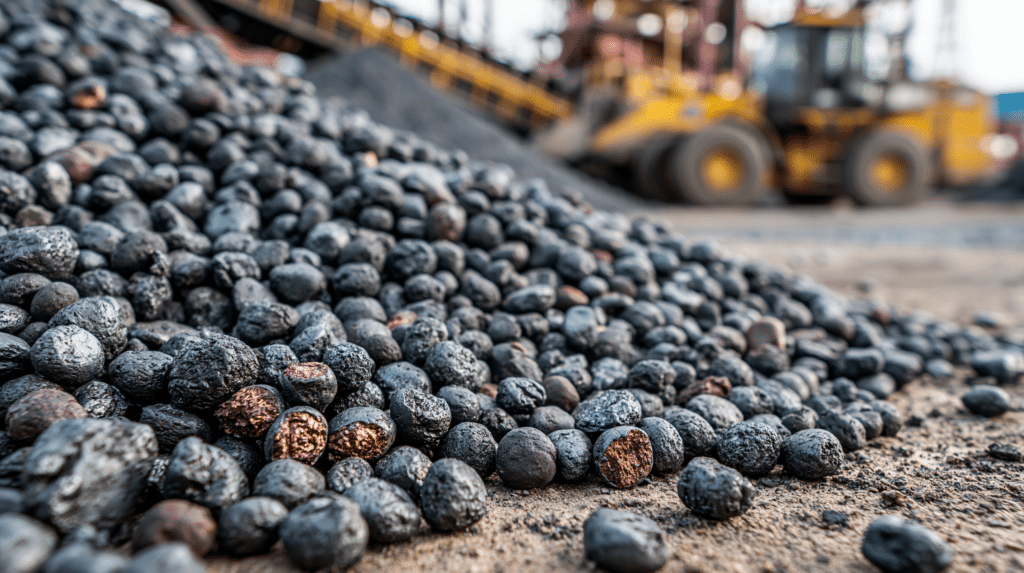
Green hydrogen plays an important role in the energy transition. But how can large quantities of hydrogen be transported from regions with abundant renewable energy to industrial areas? IJzerkracht explores how iron can be used as a safe and reusable carrier for hydrogen. Building on earlier research, the project will scale up the technology with a new pilot reactor and test it under realistic conditions, from storing hydrogen in iron to releasing it where it is needed.

Project progress

01-01-2026
Start date
31-12-2028
End date

IJzerkracht builds on a proof of principle developed by Team SOLID (TU/e). The next step is the development of the Steam Iron Reactor 2 (SIR2): a pilot reactor designed to both convert iron oxide into iron and produce hydrogen from iron.

The SIR2 will have a hydrogen production capacity of 3 kg per hour (100 kW) and a storage capacity of 75 kg of hydrogen (2.5 MWh) per cycle. The reactor will be tested under realistic conditions in collaboration with industrial partners and hydrogen users. The project will assess the technical performance and optimisation of the reduction and oxidation processes, focusing on energy efficiency, material use, reusability and safety. It will also investigate transport requirements, environmental impact and economic feasibility.

A flexible 
energy system.

The technology could open up new possibilities for storing and transporting green hydrogen. For example, the iron reactor could supply hydrogen on demand to industrial companies with processes that are difficult to electrify. This could be particularly relevant for companies without direct access to a future hydrogen network. The iron cycle could also enable long-term energy storage. Surplus renewable electricity can be used to produce green hydrogen, which is then used to convert iron oxide into iron. When hydrogen is needed later, it can be recovered from the iron. The aim of IJzerkracht is to further scale up the technology and demonstrate the full cycle of reduction, transport and oxidation under realistic conditions. This will be an important step towards the practical application of iron as a carrier for hydrogen.

RIFT participates in IJzerkracht as an industrial partner. The project focuses on the development and validation of the wet iron cycle, in which iron is used to store and transport hydrogen. This differs from the dry iron cycle behind RIFT’s own Iron Fuel Technology. Within IJzerkracht, the different stages of the wet iron cycle, including reduction, transport and oxidation, will be developed and tested in collaboration with industrial partners.

Resources

Currently there are no resources available

Funding & acknowledgments