

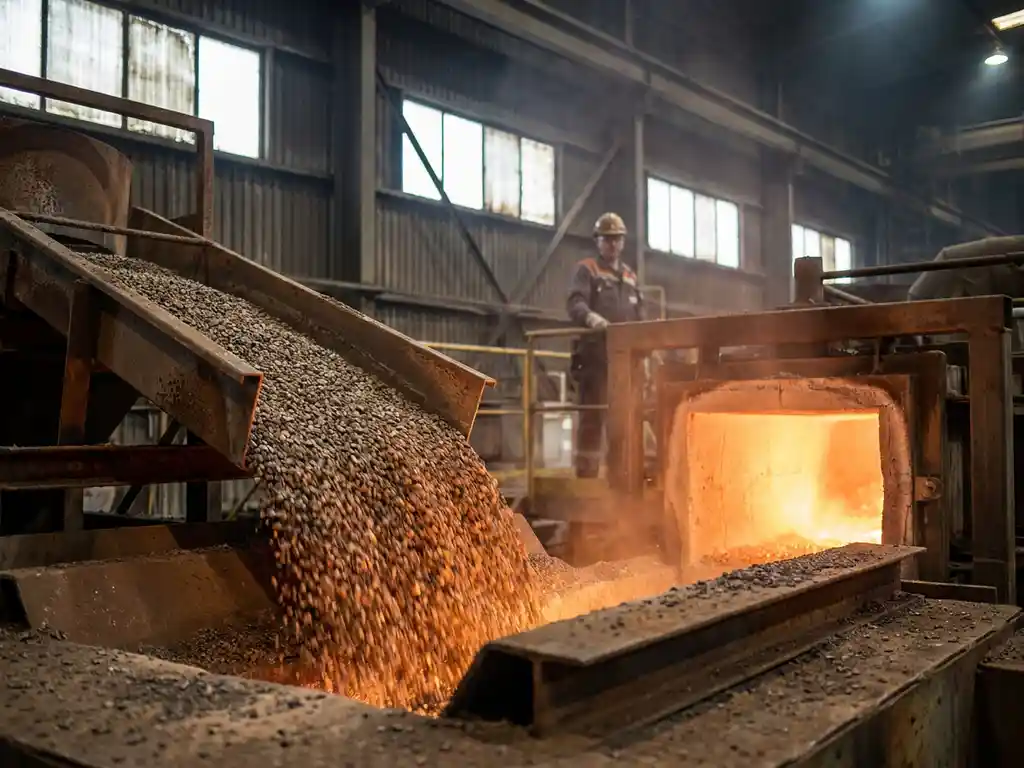
The energy transition is the global shift away from fossil fuels toward clean, renewable energy sources. It involves replacing coal, oil, and natural gas with low-carbon alternatives across electricity generation, transport, heating, and industry. The goal is to reduce greenhouse gas emissions enough to limit climate change while maintaining reliable, affordable energy for homes, businesses, and industrial processes worldwide.
Fossil fuel dependency is slowing your decarbonization progress more than you realize
Most industrial companies have set ambitious climate targets, but the underlying energy infrastructure has barely changed. Boilers still burn gas. Heat is still generated the same way it was decades ago. That gap between commitment and reality is where Scope 1 emissions pile up, regulatory exposure grows, and the cost of inaction starts to compound. The fix is not necessarily a complete overhaul. It starts with identifying which processes are most carbon-intensive and asking whether a drop-in alternative exists that fits your current setup.
Waiting for a perfect clean energy solution is costing you your competitive position
Many sustainability managers are holding back on decisions because no single technology ticks every box. But the companies moving ahead are not waiting for perfection. They are piloting solutions, building supply agreements, and locking in long-term energy costs while competitors hesitate. The practical step forward is to evaluate what is commercially available today, not what might be ready in ten years. The energy transition rewards early movers with cost certainty, regulatory readiness, and credibility with customers and investors.
What is the energy transition, and what does it involve?
The energy transition is the structural shift from a fossil fuel-based energy system to one powered by renewable and low-carbon sources. It involves changes across every sector that consumes energy, including electricity, transport, buildings, and industry. The transition combines technology deployment, policy frameworks, infrastructure investment, and changes in how energy is produced, stored, and used.
At its core, the energy transition is about replacing carbon-emitting fuels with alternatives that generate energy without releasing greenhouse gases into the atmosphere. In practice, this means expanding solar and wind power, electrifying transport, improving energy efficiency, and finding clean alternatives to fossil fuels in sectors where direct electrification is difficult or costly.
Industrial heat is one of the most challenging parts of this picture. Industry accounts for roughly a third of total global energy consumption, and most of that energy goes toward generating heat. Much of that heat is still produced by burning fossil fuels, making industrial processes one of the largest contributors to global emissions and one of the hardest areas to decarbonize.
Why does the energy transition matter for industry?
The energy transition matters for industry because industrial processes are among the largest sources of greenhouse gas emissions globally, and regulatory, financial, and customer pressures are forcing companies to act. For industrial operators, the transition is not just an environmental issue. It directly affects operating costs, market access, and long-term business viability.
Regulatory frameworks such as the EU Emissions Trading System are making carbon-intensive production increasingly expensive. Companies that rely on fossil fuels for heat face rising costs as carbon prices increase. At the same time, corporate customers and investors are demanding credible decarbonization plans, and companies that cannot demonstrate progress risk losing contracts and capital.
For sustainability managers specifically, the energy transition defines the scope of their work. Decarbonizing process heat, reducing Scope 1 emissions, and building a credible path to net zero are no longer optional goals. They are operational imperatives with financial consequences.
How does the energy transition work in practice?
The energy transition works through a combination of replacing existing energy sources, improving efficiency, and deploying new technologies that can deliver the same functions with lower or zero emissions. In practice, it happens at different speeds across different sectors, depending on the available technology, infrastructure, and economics.
For electricity generation, the transition is already well underway. Solar and wind power are now the cheapest sources of new electricity in most markets, and their share of the global energy mix is growing steadily. Storage technologies and grid upgrades are making variable renewable power more reliable.
For industry, the transition is more complex. High-temperature heat processes cannot simply be switched to electricity in most cases. The infrastructure required for hydrogen is still being built. This is why alternative energy carriers are attracting serious attention. Technologies that can deliver clean heat using existing boiler infrastructure, without requiring major capital investment or grid upgrades, offer a practical route forward for many industrial operators.
We operate at exactly this point in the transition. Our Iron Fuel Technology uses iron powder as a circular energy carrier that burns cleanly to produce high-temperature heat, with iron oxide as the only by-product. That oxide is then regenerated into iron fuel using hydrogen, completing the cycle with zero direct CO₂ emissions.
What are the biggest barriers to the energy transition in industry?
The biggest barriers to the energy transition in industry are high upfront costs, infrastructure limitations, technology readiness, and the cost gap between fossil fuels and clean alternatives. These barriers are real and specific, not just matters of willingness. For many industrial operators, the economics and logistics of switching simply do not work yet with conventional clean energy options.
The most commonly cited obstacles include:
- Capital costs: Replacing or retrofitting industrial boilers and heat systems requires significant investment, and many companies cannot justify the spend without long-term cost certainty.
- Infrastructure gaps: Hydrogen networks and high-capacity electricity grids are not available everywhere. Many industrial sites are simply not connected to the infrastructure needed to run electrified or hydrogen-based processes.
- Technology maturity: Some clean heat technologies are still in early development stages, making it difficult for companies to commit to long-term supply agreements or capital investments.
- Operational continuity: Industrial processes often cannot tolerate interruptions. Any new energy solution must be as reliable as the fossil fuel system it replaces.
- Price competitiveness: Fossil fuels remain cheaper in many markets. Until clean alternatives reach price parity, the business case for switching is harder to make internally.
These barriers do not affect all technologies equally. Solutions that integrate with existing infrastructure and offer price-competitive fuel supply under long-term contracts remove several of these obstacles at once.
What’s the difference between electrification, hydrogen, and alternative energy carriers?
Electrification, hydrogen, and alternative energy carriers are three distinct pathways for replacing fossil fuels in industrial processes. They differ in how they deliver energy, what infrastructure they require, and which applications they suit best. No single pathway works for every industry or every process.
Electrification means replacing combustion-based processes with electrically powered alternatives, such as electric boilers or heat pumps. It works well for lower-temperature applications and where grid capacity is sufficient. For high-temperature industrial heat above 500°C, electrification becomes technically and economically challenging, and the required grid upgrades can take years to complete.
Hydrogen can produce high-temperature heat through combustion and generates no direct CO₂ when burned. However, green hydrogen is still expensive, and the infrastructure to transport and store it safely at industrial scale is limited in many regions. Companies that want to use hydrogen today often face long lead times and uncertain supply chains.
Alternative energy carriers, such as iron fuel, offer a different approach. Iron powder can be stored and transported using existing logistics infrastructure, burned in adapted boilers to produce high-temperature heat, and regenerated using hydrogen in a closed cycle. This makes it compatible with existing industrial setups in a way that pure electrification or hydrogen often is not. You can explore how this works in more detail on our industrial heat solutions page.
How can industrial companies start their energy transition today?
Industrial companies can start their energy transition today by auditing their current energy use, identifying the highest-emission processes, and evaluating which clean alternatives are commercially available and compatible with their existing infrastructure. The transition does not require a single large decision. It can begin with targeted steps that build momentum and reduce risk.
A practical starting sequence looks like this:
- Map your heat demand: Understand which processes consume the most energy and at what temperatures. This tells you which decarbonization pathways are technically viable.
- Assess infrastructure constraints: Check your grid capacity, gas connections, and site logistics. This narrows down which technologies can realistically be deployed at your site.
- Evaluate commercial readiness: Focus on technologies that are already at a commercial or near-commercial stage, not just concepts. Look for demonstrated performance, real supply agreements, and credible cost projections.
- Build the internal business case: Translate emissions reductions into financial terms. Include regulatory risk, carbon pricing exposure, and customer requirements alongside capital and operating costs.
- Start with a pilot or phased deployment: An initial contract or demonstration project reduces uncertainty and builds organizational confidence before full-scale commitment.
The companies making the most progress are not waiting for the perfect solution. They are making informed decisions based on what is available now, building knowledge and supplier relationships that will matter as the transition accelerates.
If you are at this stage and want to explore what a practical next step looks like for your site, the form below can help connect you with our team directly.
How RIFT helps with the energy transition
We provide a practical, commercially ready route into the energy transition for industrial companies that need high-temperature heat without the carbon footprint. Our Iron Fuel Technology is designed to work alongside existing infrastructure, not replace it entirely, which makes the transition faster and less disruptive.
Here is what we offer:
- Zero direct CO₂ emissions from iron fuel combustion, with ultra-low NOₓ output
- Up to 95% energy efficiency, demonstrated at megawatt scale at our facility in Helmond, the Netherlands
- Drop-in compatibility with existing boiler infrastructure, reducing capital requirements
- Long-term fuel supply agreements that provide cost certainty and operational reliability
- A circular energy system in which iron oxide is regenerated into iron fuel using hydrogen, closing the loop
If you are building the business case for decarbonizing your industrial heat, we are ready to talk through what this looks like for your site. Get in touch with our team to start the conversation.
Related Articles
- Who uses the EIA report?
- What is the aim of green energy?
- What are the biggest challenges of switching to renewable energy?
- How does solar energy work?
- How does renewable energy work?
This content was generated with the help of AI and it may contain mistakes