

Clean energy is one of the most talked-about topics in energy policy today, and for good reason. As countries and companies race to reduce carbon emissions, understanding where renewable energy comes from and who leads the way has become increasingly important. Whether you are a sustainability professional, a curious citizen, or someone evaluating energy options for your organization, understanding the clean energy landscape helps you make smarter decisions.
The United States is home to some of the world’s most ambitious renewable energy programs, with individual states taking very different approaches depending on their geography, policy environment, and industrial base. This article answers the most common questions about clean energy in the US, starting with the basics and moving toward the specifics of which states are leading the charge.
What counts as clean energy and why does it matter?
Clean energy refers to energy sources and technologies that produce little to no greenhouse gas emissions or air pollutants during operation. The most widely recognized clean energy sources include solar, wind, hydropower, geothermal, and nuclear power. What unites them is that they generate electricity or heat without burning fossil fuels, which means they do not release carbon dioxide or other harmful gases into the atmosphere during use.
The distinction matters because not all low-emission energy sources are identical in how they work or what they require. Solar and wind generate electricity directly from natural forces. Hydropower harnesses the kinetic energy of flowing water. Nuclear power splits atoms to produce heat, which then drives turbines. Each comes with its own infrastructure demands, cost profiles, and environmental trade-offs.
Why the definition of clean energy is broader than most people think
The term “clean energy” is sometimes used interchangeably with “renewable energy,” but the two are not exactly the same. Nuclear power, for example, produces near-zero operational emissions but relies on mined uranium, which is finite. Biomass can be considered renewable but may produce emissions during combustion. The key question is always: how much carbon is released across the full lifecycle of the energy source?
This nuance matters enormously for industries trying to decarbonize. For sectors that rely on high-temperature heat, such as food and beverage production, chemical manufacturing, or pulp and paper, electricity-based clean energy often cannot simply replace fossil fuels without major infrastructure changes. That is why emerging technologies that deliver clean heat directly, rather than just clean electricity, are gaining serious attention from sustainability professionals.
Why clean energy matters beyond climate targets
Clean energy is not just about hitting emissions targets. It also affects energy security, air quality, long-term cost stability, and industrial competitiveness. Countries and companies that invest in clean energy now are positioning themselves to avoid future carbon pricing costs, meet tightening regulations, and respond to growing customer expectations for sustainable supply chains. For sustainability managers in particular, the case for clean energy is both environmental and financial.
- Reduced Scope 1 emissions: Clean energy sources eliminate or dramatically reduce direct emissions from energy use.
- Regulatory compliance: Systems like the EU Emissions Trading Scheme make fossil fuel use increasingly expensive over time.
- Energy cost predictability: Many clean energy sources have low or zero fuel costs once infrastructure is in place.
- Air quality benefits: Eliminating the combustion of fossil fuels reduces NOx and particulate emissions that affect local communities.
- Supply chain resilience: Diversifying energy sources reduces dependence on volatile fossil fuel markets.
Which state produces the most clean energy in the US?
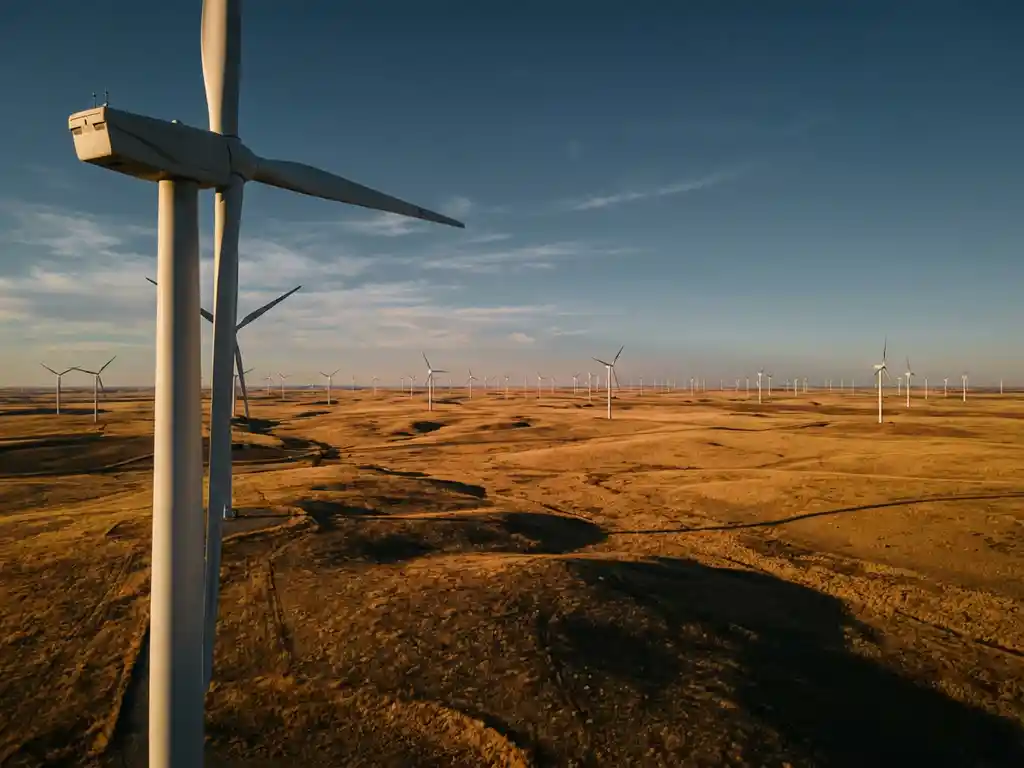
Texas produces more renewable energy than any other US state in absolute terms. Driven primarily by its enormous wind power capacity, Texas generates more electricity from wind alone than most countries produce from all renewable sources combined. The state’s vast open land, strong and consistent wind corridors, and deregulated energy market have made it the undisputed leader in raw renewable energy output.
Texas is followed closely by California, which leads in solar energy generation and has some of the most aggressive renewable portfolio standards in the country. California’s combination of solar farms, offshore wind development plans, geothermal resources, and strong policy support has made it the benchmark for clean energy ambition on the West Coast.
Which state has the highest share of clean energy in its electricity mix?
If you measure by the percentage of electricity generated from clean sources rather than total volume, the picture shifts considerably. States like Washington and Oregon generate the vast majority of their electricity from hydropower, giving them some of the cleanest electricity grids in the nation. Idaho and South Dakota also rank highly on clean energy share, again largely thanks to hydroelectric resources.
Iowa is a notable standout for wind energy as a proportion of its total electricity generation, regularly producing more electricity from wind than it consumes overall, making it a net exporter of wind power. States like this demonstrate that geography and policy alignment can enable smaller states to punch well above their weight in the clean energy transition.
What role do federal and state policy play?
- Renewable Portfolio Standards (RPS): Many states require utilities to source a defined percentage of their electricity from renewable sources, creating guaranteed demand that drives investment.
- Tax incentives and grants: Federal investment tax credits and state-level incentives reduce the upfront cost of building solar, wind, and other clean energy infrastructure.
- Grid deregulation: States with deregulated energy markets, like Texas, make it easier for independent renewable energy producers to compete and scale.
- Carbon pricing and cap-and-trade: California’s cap-and-trade program creates a financial cost for emissions, making clean energy investments more economically attractive relative to fossil fuels.
It is worth noting that leading in electricity generation from renewable sources is only part of the clean energy story. Industrial heat, which accounts for a significant share of total energy consumption, is much harder to decarbonize than electricity. Most clean energy progress measured at the state level reflects electricity generation, while heat-intensive industries continue to rely heavily on fossil fuels. This gap between progress on clean electricity and clean heat is one of the defining challenges of the energy transition. You can explore how Iron Fuel Technology works as one of the emerging approaches designed specifically to address industrial heat decarbonization.
How Iron Fuel Technology helps with clean industrial heat
While state-level clean energy rankings focus primarily on electricity, the harder and often overlooked challenge is decarbonizing industrial heat. This is where we come in. RIFT’s Iron Fuel Technology delivers carbon-free, high-temperature heat directly to industrial processes without requiring a complete overhaul of existing infrastructure.
Our Iron Fuel Boiler is designed for industries where electrification and hydrogen are not yet practical, including food and beverage, specialty chemicals, and pulp and paper. Here is what makes it a practical solution for sustainability managers evaluating their options:
- Produces high-temperature heat with zero direct CO2 and ultra-low NOx emissions.
- Integrates with existing boiler infrastructure, minimizing disruption and capital risk.
- Achieves up to 95% energy efficiency, outperforming many traditional fossil fuel systems.
- Backed by long-term fuel supply agreements, giving operators cost and supply certainty.
- Priced to be cost-competitive with fossil fuels, protecting your margins during the transition.
We have already signed the world’s first commercial contract for industrial Iron Fuel Technology, and our technology has been demonstrated at megawatt scale in the Netherlands. If you are building the business case for decarbonizing your industrial heat, explore our industrial heat solutions or get in touch with our team to discuss what Iron Fuel Technology could mean for your operations.
If you are working on decarbonizing industrial heat in your own operations, or simply want to understand what the options are, the form below is a good place to start.
Related Articles
- What should sustainability managers prioritize when evaluating clean heat technologies?
- How can Dutch manufacturers use VEKI to fund decarbonization projects?
- What are the biggest challenges of switching to renewable energy?
- How does biomass energy work?
- How do batteries store renewable energy?
This content was generated with the help of AI and it may contain mistakes