

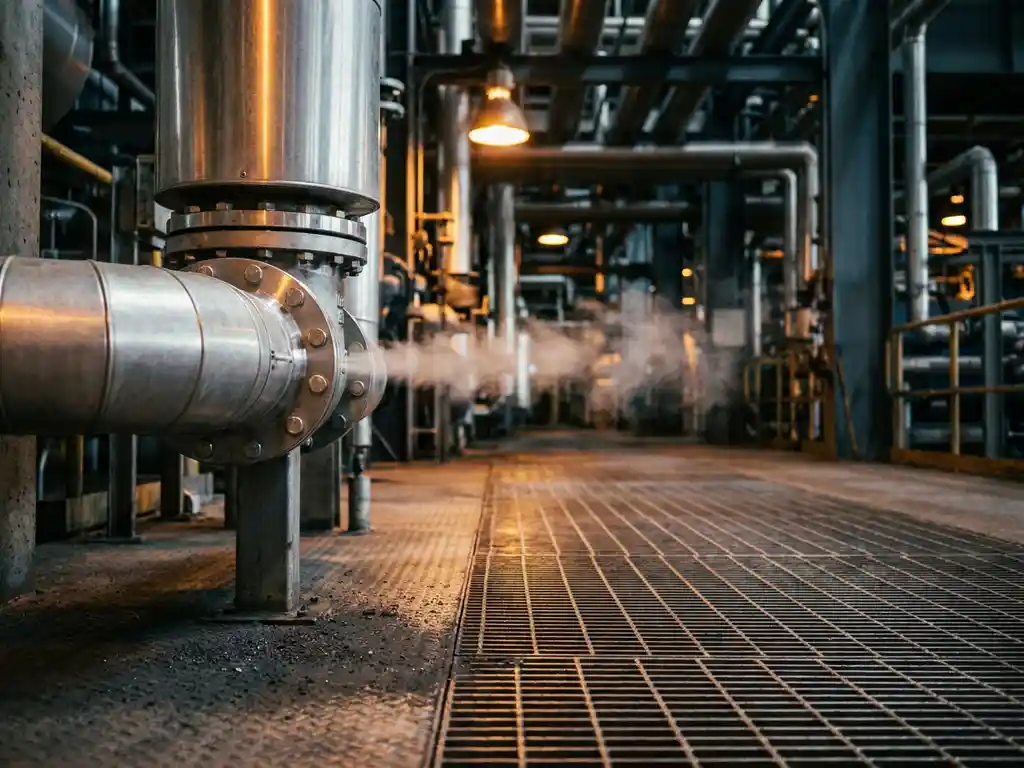
Hydrogen plays a central role in the energy transition as a clean energy carrier capable of replacing fossil fuels across sectors where direct electrification is difficult or impossible. It can be produced using renewable electricity, generates no direct carbon emissions when used, and serves as a feedstock for producing other clean fuels. However, hydrogen is not a universal solution, and understanding where it fits—and where it does not—matters enormously for industrial decision-makers.
Betting on hydrogen alone leaves your decarbonisation targets exposed
Industrial heat is one of the hardest parts of the energy system to clean up, and hydrogen has long been positioned as the answer. But for many manufacturers, the infrastructure simply is not there yet. Pipelines are limited, storage is expensive, and the cost gap between green hydrogen and fossil fuels remains wide. If your decarbonisation roadmap depends entirely on hydrogen becoming affordable and accessible in time to meet your 2030 or 2035 targets, you are carrying more risk than most boards realise. The practical fix is to treat hydrogen as one option among several and to evaluate alternatives that can be deployed today, without waiting for infrastructure that may arrive years too late.
Focusing only on carbon at the point of combustion misses most of the emissions picture
When evaluating any clean energy technology, the emissions that occur at the burner tip are only part of the story. How the fuel is produced, transported, and stored all contribute to the true carbon footprint. A hydrogen boiler that runs on grey hydrogen, produced from natural gas without carbon capture, can emit more CO₂ across its full value chain than the fossil-fuel system it replaced. Sustainability managers who want to build credible, audit-ready decarbonisation cases need to assess full lifecycle emissions, not just combustion-stage figures. Demanding lifecycle data from technology providers and understanding the hydrogen-source assumptions behind any emissions claim are the most important steps you can take before committing to a technology pathway.
What is hydrogen’s role in the energy transition?
Hydrogen’s role in the energy transition is to act as a clean energy carrier for sectors and applications where direct electrification is not practical. It stores and transports energy, can be produced using renewable electricity, and releases no carbon dioxide when burned. It is particularly relevant for heavy industry, long-distance transport, and high-temperature heat processes.
The appeal of hydrogen is real. It has a high energy density by weight, it can be combusted to produce heat, and it can also be used in fuel cells to generate electricity. For sectors like steel, chemicals, and shipping, where battery electrification is either impractical or economically unviable, hydrogen offers a credible path away from fossil fuels.
That said, hydrogen is an energy carrier, not an energy source. It has to be produced from something, which means the climate benefit depends entirely on how it is made. Produced using renewable electricity through electrolysis, it is genuinely clean. Produced from natural gas without carbon capture, it carries a significant carbon footprint. The role hydrogen plays in the transition therefore depends heavily on how quickly the supply of clean hydrogen can scale—and at what cost.
How does green hydrogen differ from grey and blue hydrogen?
Green, grey, and blue hydrogen differ in how they are produced and in the resulting carbon emissions. Grey hydrogen comes from natural gas reforming with no carbon capture and carries the highest emissions. Blue hydrogen uses the same process but captures most of the CO₂. Green hydrogen is produced by splitting water using renewable electricity, with no carbon emissions at the point of production.
Grey hydrogen currently makes up the vast majority of global hydrogen supply. It is the cheapest to produce, but it offers no climate benefit. Blue hydrogen is a transitional option that reduces emissions significantly, though its effectiveness depends on how much CO₂ is actually captured and what happens to the remaining fraction.
Green hydrogen is the version that genuinely supports a net-zero future, but it remains more expensive than grey or blue alternatives. The cost gap is narrowing as renewable electricity becomes cheaper and electrolyser technology matures, but green hydrogen at scale is still a work in progress in most regions. For sustainability managers evaluating clean energy options, understanding which type of hydrogen underpins any technology claim is essential, because the difference between grey and green hydrogen can mean the difference between real decarbonisation and a paper reduction.
Why is hydrogen difficult to use for industrial heat?
Hydrogen is difficult to use for industrial heat because of the infrastructure, storage, and safety requirements it entails. It must be kept at very low temperatures or very high pressures to be stored in useful quantities, requires dedicated pipelines or transport systems, and burns with a very hot, nearly invisible flame that raises specific safety considerations in industrial environments.
Beyond the physical challenges, cost is a persistent barrier. Industrial heat requires large volumes of fuel delivered reliably and affordably. Green hydrogen at current prices is significantly more expensive than natural gas, and the infrastructure to deliver it at scale does not yet exist in most industrial regions. Many manufacturers who have explored direct hydrogen combustion for heat have found that the economics do not yet stack up without substantial subsidies or a dramatic drop in hydrogen prices.
There is also the question of temperature. Many industrial processes require sustained high-temperature heat above 500°C. Hydrogen can technically deliver this, but the burner technology, materials compatibility, and process adjustments required often mean significant capital investment and operational disruption. For companies looking to decarbonise without rebuilding their entire production setup, hydrogen for heat is often a longer-term prospect rather than a near-term solution.
What are the main alternatives to hydrogen for decarbonising heat?
The main alternatives to hydrogen for decarbonising industrial heat are electric boilers and heat pumps, biomass and biogas combustion, and emerging solid-fuel technologies such as iron fuel. Each has different suitability depending on the required temperature, existing infrastructure, grid capacity, and the industrial site’s cost constraints.
Electric boilers and heat pumps work well for lower-temperature processes and where the grid connection is strong and electricity prices are competitive. For high-temperature applications above 500°C, electrification becomes technically and economically challenging. Heat pumps are highly efficient but have practical limits on the temperatures they can deliver.
Biomass and biogas offer a combustion-based path that integrates more easily with existing boiler infrastructure. However, sustainable biomass supply is limited, and the carbon accounting around biomass combustion is increasingly scrutinised under European regulatory frameworks.
Solid-fuel alternatives, including iron fuel, represent a newer category. Iron Fuel Technology works by burning iron powder to generate high-temperature heat with zero direct CO₂ emissions, with the iron oxide by-product then regenerated back into fuel using hydrogen. This approach combines the high-temperature capability of combustion with a circular material cycle, making it relevant for sectors where neither electrification nor hydrogen is yet viable.
How does iron fuel compare to hydrogen as an energy carrier?
Iron fuel and hydrogen differ fundamentally in their physical form, storage requirements, and how they deliver energy. Hydrogen is a gas that requires pressurised or cryogenic storage and dedicated infrastructure. Iron fuel is a solid powder that can be stored and transported using conventional logistics, with no special pressure or temperature requirements.
From an energy-delivery perspective, both can produce high-temperature heat without direct carbon emissions. Hydrogen burns to produce heat and water vapour. Iron powder burns to produce heat and iron oxide, which is then regenerated into iron fuel using hydrogen. In this sense, the two technologies are complementary rather than competing: hydrogen is an input to the iron-fuel cycle, used to convert iron oxide back into iron fuel at the production stage.
The practical advantage of iron fuel for industrial heat lies in its compatibility with existing infrastructure. An iron-fuel boiler can be integrated alongside conventional fossil-fuel boilers without requiring a complete site overhaul. Hydrogen combustion, by contrast, often demands new burner technology, modified pipework, and careful safety-system upgrades. For manufacturers who need to decarbonise without halting production, that difference in deployment complexity matters considerably.
On energy efficiency, RIFT’s Iron Fuel Production system converts hydrogen into iron fuel at 86% efficiency, and the iron-fuel boiler achieves up to 95% energy efficiency in converting iron fuel into thermal energy. These figures reflect a well-optimised chain that makes productive use of the hydrogen input rather than losing it as waste heat.
When should industry choose hydrogen over other clean energy options?
Industry should choose hydrogen when it has direct access to affordable green hydrogen supply, when the process requires chemical reduction rather than just heat, or when existing infrastructure investments make hydrogen the most practical pathway. Hydrogen is the right choice for applications where no solid or liquid alternative can meet the process’s technical requirements.
The clearest case for hydrogen is in processes where the molecule itself is needed, not just the heat it produces. Green steel production, ammonia synthesis, and certain chemical manufacturing processes require hydrogen as a chemical reactant, not just an energy source. In those cases, the choice is straightforward.
For pure heat applications, the decision is more nuanced. Consider hydrogen when:
- A green hydrogen pipeline or reliable local supply is already available or planned within your investment horizon.
- Your process operates at temperatures where electrification is not technically feasible and biomass supply is constrained.
- Regulatory incentives or carbon pricing make the economics of green hydrogen competitive in your region.
- Your existing boiler infrastructure is already designed for, or adaptable to, hydrogen combustion.
Where those conditions are not met, alternatives such as iron fuel may offer a more practical near-term route to decarbonised heat, particularly for manufacturers in food and beverage, specialty chemicals, or pulp and paper that need high-temperature heat without waiting for hydrogen infrastructure to mature.
How Iron Fuel Technology helps with the hydrogen question
For many industrial companies, hydrogen is part of the answer but not the whole answer, especially when it comes to heat. We developed Iron Fuel Technology to fill exactly that gap: a clean, high-temperature heat solution that works today, integrates with existing infrastructure, and uses hydrogen productively without requiring you to build a hydrogen supply chain from scratch.
Here is how we address the key challenges discussed in this article:
- No direct CO₂ emissions during combustion, with a full-chain CO₂ reduction of 0.55 tonnes of CO₂ equivalent per tonne of iron fuel when using low-carbon hydrogen.
- Circular fuel cycle — iron oxide produced during combustion is regenerated back into iron fuel using hydrogen, so the hydrogen input is used efficiently rather than lost.
- Drop-in compatibility with existing boiler setups, reducing capital disruption and deployment time.
- Demonstrated at industrial scale at Technology Readiness Level 7, with the first commercial contract already signed.
- Cost-competitive pricing designed to align with fossil-fuel alternatives, protecting your operational margins.
If you are evaluating your options for industrial heat decarbonisation and want to understand whether iron fuel fits your site, we would be glad to talk through the specifics with you. Get in touch with our team to start the conversation.
Related Articles
- What are examples of clean energy?
- What is green hydrogen and how is it produced?
- What is clean energy and is it the same as renewable energy?
- Can homes run entirely on renewable energy?
- What countries use the most renewables?
This content was generated with the help of AI and it may contain mistakes