

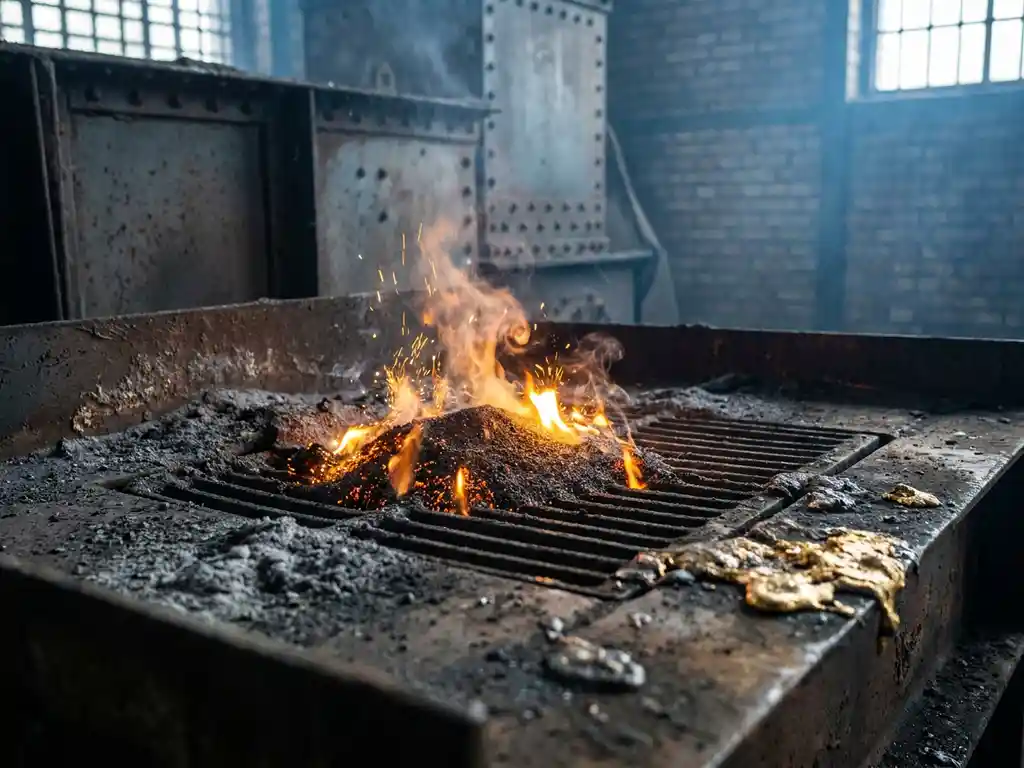
Biomass energy is heat or power generated by burning or converting organic materials such as wood, agricultural residues, and dedicated energy crops. It is one of the oldest forms of renewable energy and remains widely used for industrial heat generation today. But as decarbonisation pressure grows, the question of whether biomass is truly a clean solution deserves a closer, more honest look.
Relying on biomass for industrial heat leaves your emissions targets exposed
Biomass is often treated as a straightforward renewable solution, but the carbon accounting behind it is contested, fuel supply chains can be fragile, and the emissions profile is rarely as clean as it looks on paper. For sustainability managers under pressure to hit Scope 1 reduction targets, this creates real risk. If your decarbonisation strategy rests heavily on biomass, you may be building on ground that regulators and investors are starting to question. A more reliable approach is to evaluate biomass as one option among several and to understand exactly where it falls short before committing.
Treating all renewable energy sources as equivalent is holding back real industrial decarbonisation
Not all renewable energy technologies perform the same way in industrial settings. Biomass, solar, hydrogen, and iron fuel all have different temperature capabilities, infrastructure requirements, and emissions profiles. When industrial operators treat these as interchangeable, they often end up with solutions that cannot meet the high-temperature heat demands of their processes or that require costly infrastructure overhauls. The fix is straightforward: evaluate each technology against your specific process requirements, particularly the temperature range, fuel logistics, and emissions boundaries your operation must meet.
What is biomass energy, and where does it come from?
Biomass energy is energy derived from organic matter, including wood pellets, agricultural waste, animal manure, food-processing residues, and purpose-grown energy crops. It comes from biological sources that have recently absorbed carbon from the atmosphere, which is what distinguishes it from fossil fuels in terms of renewable energy classification.
The sources of biomass are broad. Forestry operations produce wood chips and sawdust. Farms generate straw, husks, and animal waste. Food and beverage manufacturers create organic residues that can be converted into energy. In some regions, dedicated crops like miscanthus or switchgrass are grown specifically for energy production.
The global availability of biomass feedstocks is significant, but not unlimited. Supply depends heavily on geography, agricultural activity, and land-use decisions. This makes biomass a locally variable resource, meaning what works well in one region may be unavailable or prohibitively expensive in another.
How does biomass energy work to produce heat and power?
Biomass energy works by converting organic material into usable heat or electricity through combustion, gasification, or anaerobic digestion. In the most common industrial application, biomass is burned directly in a boiler to produce steam, which is then used for process heat or to drive a turbine for electricity generation.
The three main conversion pathways are:
- Direct combustion: Biomass is burned in a furnace or boiler. The heat produced generates steam for industrial processes or electricity via a steam turbine. This is the most widely used method in industry.
- Gasification: Biomass is heated with limited oxygen to produce a combustible gas called syngas. This gas can be burned for heat or used in a gas engine to generate electricity.
- Anaerobic digestion: Wet organic materials are broken down by microorganisms in the absence of oxygen, producing biogas, which is primarily methane. This is common in food processing and wastewater treatment.
In industrial heat applications, direct combustion is the dominant method. A biomass boiler functions similarly to a conventional fossil fuel boiler, which is one reason it has been adopted as a drop-in replacement in many facilities. The key operational difference is fuel handling: biomass requires storage, drying in some cases, and feeding systems suited to solid or semi-solid fuels.
Is biomass energy really carbon neutral?
Biomass energy is not straightforwardly carbon neutral. It is classified as renewable because the carbon released during combustion was recently absorbed by the plant material. However, the full lifecycle, including land use, harvesting, processing, and transport, can generate significant emissions that offset or even exceed the carbon absorbed through regrowth.
The carbon-neutrality assumption depends on several conditions being met: the biomass must come from sustainably managed sources where regrowth happens at a rate that keeps pace with harvesting, the supply chain must have low transport emissions, and land-use changes must not release stored soil carbon. In practice, these conditions are not always verifiable.
Regulatory frameworks are tightening around this. The EU’s Renewable Energy Directive sets sustainability criteria for biomass used in energy, including requirements on greenhouse gas savings and sourcing. This means the carbon accounting for biomass is becoming more rigorous, and fuels that once qualified as renewable may no longer do so under stricter rules.
For industrial operators, this creates compliance risk. If your biomass supply chain cannot demonstrate verified sustainability, your renewable energy claims may be challenged by auditors, regulators, or customers conducting supply-chain due diligence.
What are the main advantages and disadvantages of biomass energy?
Biomass energy offers a dispatchable, high-temperature heat source that can integrate with existing boiler infrastructure, but it carries fuel supply risks, contested emissions credentials, and significant land and logistics requirements. Whether it suits your operation depends on your fuel access, regulatory context, and decarbonisation targets.
Advantages of biomass energy:
- Can produce high-temperature heat suitable for industrial processes
- Works with existing boiler infrastructure in many cases, reducing capital costs
- Dispatchable, meaning it can generate heat on demand, unlike intermittent renewables
- Uses waste streams from agriculture and forestry, which can reduce disposal costs
- Widely available in regions with strong agricultural or forestry sectors
Disadvantages of biomass energy:
- Carbon neutrality is conditional and increasingly scrutinised by regulators
- NOx and particulate emissions from combustion require management and can breach air-quality limits
- Fuel supply chains are geographically dependent and can be volatile in price and availability
- Land-use competition with food production and biodiversity creates sustainability concerns
- Long-term regulatory risk as sustainability criteria for biomass continue to tighten
How does biomass compare to other industrial heat solutions?
Compared to fossil fuels, biomass reduces net carbon emissions but does not eliminate them. Compared to electrification and hydrogen, biomass is more immediately deployable in many facilities but carries greater supply-chain and regulatory uncertainty. Each alternative has a different profile of cost, infrastructure needs, and emissions performance.
Electrification of industrial heat is technically viable for low- and medium-temperature processes, but high-temperature applications above 500°C remain difficult and expensive to electrify. Grid-capacity constraints also limit how quickly electrification can scale in industrial settings.
Hydrogen offers zero direct emissions at the point of combustion, but the infrastructure for hydrogen supply, storage, and safety compliance is still developing in most industrial regions. Cost remains a significant barrier, particularly for green hydrogen.
Biomass sits between these options in terms of maturity and accessibility, but its emissions profile is less certain than either hydrogen or newer solid-fuel technologies. For industries where industrial heat decarbonisation is a board-level priority, the comparison increasingly favours solutions that can demonstrate verified, near-zero emissions with reliable fuel supply and long-term regulatory stability.
Which industries use biomass energy for heat generation?
Biomass energy is used for heat generation across a range of energy-intensive industries, most commonly in pulp and paper, food and beverage, wood processing, and district heating. These sectors have historically had access to biomass residues as part of their own production processes, making on-site combustion a practical option.
The pulp and paper industry is one of the largest users of biomass for industrial heat. Wood residues from the pulping process, including black liquor and bark, are burned to generate steam and electricity, often making paper mills partially or fully energy self-sufficient.
In food and beverage manufacturing, biomass boilers are used to produce the steam required for cooking, sterilisation, drying, and cleaning processes. Agricultural residues from the same supply chains that feed production can sometimes serve as fuel, creating a degree of circularity.
District heating networks in Scandinavia and Central Europe have long relied on biomass as a primary fuel source, particularly in regions with established forestry industries. These networks supply heat to industrial zones as well as residential areas.
That said, these same sectors now face pressure to move beyond biomass toward solutions with cleaner, more verifiable emissions profiles. You can learn more about how Iron Fuel Technology works as an alternative for these exact industrial applications.
How RIFT helps with industrial heat decarbonisation
We developed Iron Fuel Technology as a direct response to the limitations that biomass and other alternatives leave unresolved for industrial heat. Our Iron Fuel Boiler produces high-temperature heat with zero direct CO₂ emissions and ultra-low NOx, and it integrates with existing boiler infrastructure without requiring a complete overhaul of your facility.
Here is what makes the technology relevant for sustainability managers evaluating their options:
- Zero direct CO₂ from combustion: Iron fuel burns cleanly, producing only iron oxide as a by-product. The only CO₂ in the system comes from a pilot safety flame, at just 10 kg per MWh of heat produced.
- Drop-in compatibility: Our boiler is designed to complement existing fossil fuel systems, so you can decarbonise progressively without halting operations.
- Verified performance: Our system operates at Technology Readiness Level 7 with up to 95% energy efficiency, demonstrated at industrial scale in Helmond, the Netherlands.
- Long-term fuel supply: We offer fuel supply agreements that give you cost predictability and supply security, aligned with fossil fuel pricing.
- Circular and carbon-free by design: Iron oxide recovered after combustion is regenerated into iron fuel using low-carbon hydrogen, completing a closed loop with no waste and no carbon accumulation.
If you are evaluating alternatives to biomass or fossil fuels for your industrial heat processes, we are ready to talk through what Iron Fuel Technology could look like for your operation. Get in touch with our team to start the conversation.
Related Articles
- What are the four types of EIA?
- What will replace fossil fuels in the future?
- What is the most efficient form of renewable energy?
- How do batteries store renewable energy?
- How much of America's energy is clean?
This content was generated with the help of AI and it may contain mistakes