

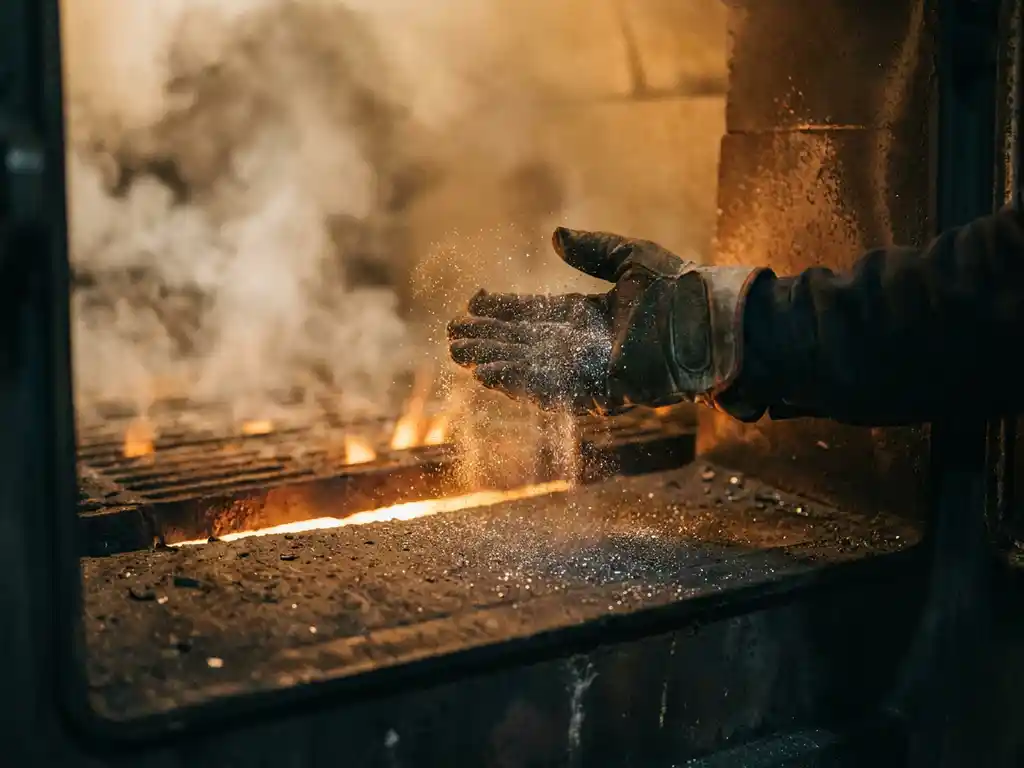
Renewable energy is energy generated from natural sources that replenish themselves over time, such as sunlight, wind, water, and biomass. Unlike fossil fuels, which take millions of years to form and release carbon dioxide when burned, renewable energy sources produce little to no greenhouse gas emissions during operation. As the world works to reduce its dependence on coal, oil, and gas, renewable energy has become central to climate strategies for governments, businesses, and industries alike.
Sticking with fossil fuels is costing industrial companies more than just carbon credits
Energy-intensive industries are facing pressure from multiple directions at once. Regulatory frameworks like the EU Emissions Trading System are making fossil fuel use progressively more expensive. At the same time, customers, investors, and boards are demanding credible progress on decarbonisation. Companies that delay the shift to cleaner energy sources are not just accumulating emissions — they are accumulating financial and reputational risk. The fix is not necessarily a complete overhaul. Many industrial operators can begin integrating renewable or clean energy solutions alongside existing infrastructure, reducing emissions incrementally while protecting operational continuity.
Waiting for a perfect renewable solution means missing the options already available
A common barrier for sustainability managers is the assumption that decarbonising industrial heat requires either full electrification or large-scale hydrogen infrastructure — both of which remain out of reach for many facilities today. That assumption is holding back progress. Several clean energy technologies have already been demonstrated at industrial scale and are designed to work alongside existing boiler systems. Understanding what is available now, and what each option actually delivers, is a more productive starting point than waiting for a single perfect solution to emerge.
What is renewable energy and why does it matter?
Renewable energy is energy derived from sources that are naturally replenished on a human timescale. The most widely used types include solar, wind, hydropower, geothermal, and biomass. It matters because burning fossil fuels for energy is the largest single driver of global greenhouse gas emissions, and switching to renewable sources is one of the most direct ways to reduce those emissions.
Beyond the environmental case, renewable energy increasingly makes economic sense. The cost of solar and wind power has dropped substantially over the past decade, making them competitive with conventional energy in many markets. For industrial companies, the transition to renewable energy is also becoming a matter of regulatory compliance and long-term business resilience.
Industrial heat is a particularly important piece of this picture. Industry accounts for roughly 37% of total global energy consumption, and the majority of that energy goes toward generating heat. Most of that heat is still produced by burning fossil fuels, which means industrial processes represent one of the largest and most under-addressed sources of emissions globally.
What are the main types of renewable energy sources?
The main types of renewable energy are solar, wind, hydropower, geothermal, biomass, and emerging energy carriers like green hydrogen and iron fuel. Each source works differently, suits different applications, and comes with its own practical limitations depending on geography, infrastructure, and the specific energy demand being met.
- Solar energy converts sunlight into electricity using photovoltaic panels or into heat using thermal collectors. It works well for electricity generation and low-temperature heat but has limitations for high-temperature industrial applications.
- Wind energy captures kinetic energy from wind using turbines to generate electricity. It is one of the fastest-growing sources globally but is intermittent and location-dependent.
- Hydropower generates electricity from flowing or falling water. It is reliable and dispatchable but constrained by geography and environmental considerations.
- Geothermal energy taps heat from within the earth. It is consistent and low-emission but only viable in specific geological locations.
- Biomass burns organic material to produce heat and electricity. It is flexible but raises questions about land use, supply chains, and net emissions depending on the feedstock.
- Green hydrogen is produced by splitting water using renewable electricity. It can store and transport energy and is being explored for industrial heat applications, though infrastructure and cost remain challenges.
- Iron fuel is an emerging solid-state energy carrier made from iron powder. When burned, it produces high-temperature heat with zero direct CO₂ emissions, and the resulting iron oxide can be regenerated into fuel using hydrogen, completing a circular cycle.
How does renewable energy work in industrial processes?
Renewable energy works in industrial processes by replacing fossil fuel combustion with cleaner energy inputs to generate the heat, steam, or electricity needed for production. The specific mechanism depends on the technology: solar thermal systems capture sunlight as heat, electric boilers convert renewable electricity into steam, and fuel-based systems like green hydrogen or iron fuel combust without releasing carbon dioxide.
The challenge for industry is that many processes require sustained, high-temperature heat — often above 500°C — which solar panels and standard electric systems struggle to deliver at scale. This is why industrial decarbonisation requires more than just switching to renewable electricity. It requires energy carriers and combustion technologies capable of matching the temperature, reliability, and throughput that industrial operations demand.
For many facilities, the most practical path forward is a technology that integrates with existing boiler infrastructure rather than replacing it entirely. Clean heat solutions designed for industrial integration allow companies to reduce emissions without rebuilding their entire energy setup from scratch, which is both faster to implement and easier to justify financially.
What is the difference between renewable energy and clean energy?
Renewable energy refers to energy from sources that naturally replenish over time, such as wind and solar. Clean energy refers to energy that produces little or no greenhouse gas emissions during use. The two categories overlap significantly but are not identical. Nuclear power, for example, is clean but not renewable. Biomass is renewable but may not always be clean, depending on how it is sourced and burned.
For industrial decision-makers, the distinction matters when evaluating specific technologies. A solution can be clean without relying on a traditionally renewable source — what matters most is the emissions profile across the full energy chain, from production to end use.
Iron fuel is a useful example here. Iron powder is not a renewable resource in the way sunlight or wind is, but the Iron Fuel Technology cycle produces zero direct CO₂ during combustion, and the iron oxide byproduct is regenerated into fuel using low-carbon hydrogen. Based on EU greenhouse gas methodology, the full chain delivers a meaningful reduction in CO₂-equivalent emissions per tonne of fuel. That makes it a clean energy solution, even if its classification as “renewable” is more nuanced. Understanding how the full iron fuel cycle works helps clarify where it fits within the broader clean energy picture.
Which renewable energy source is best for industrial heat?
There is no single best renewable energy source for industrial heat — the right choice depends on the temperature required, existing infrastructure, available supply chains, and cost. For low-to-medium-temperature heat, solar thermal and electric boilers are viable. For high-temperature industrial processes, green hydrogen and iron fuel are the most promising options currently at or approaching commercial scale.
Electrification works well where renewable electricity is cheap and grid capacity is sufficient, but many industrial sites face infrastructure constraints that make full electrification slow or prohibitively expensive. Green hydrogen can reach the temperatures industry needs, but transport, storage, and cost challenges remain significant barriers in many regions.
Iron fuel occupies a practical middle ground. It can generate flame temperatures up to 2,000°C, making it suitable for the high-temperature heat that many industrial processes require. It is a solid at room temperature, which makes it safer and easier to store and transport than hydrogen. And because the Iron Fuel Boiler is designed to complement existing fossil fuel boilers rather than replace them outright, companies can integrate it without a complete infrastructure overhaul.
How can industrial companies start transitioning to renewable energy?
Industrial companies can start transitioning to renewable energy by auditing their current heat and energy demand, identifying which processes are most emissions-intensive, and then evaluating which clean energy technologies are compatible with their existing infrastructure and temperature requirements. A phased approach — starting with the highest-impact, most feasible changes — is more effective than waiting for a complete solution.
A structured approach to getting started typically looks like this:
- Map your energy demand — understand where heat is consumed, at what temperatures, and how much of it comes from fossil fuels. This tells you where the biggest emissions reductions are possible.
- Assess technology options — evaluate which clean energy technologies are technically compatible with your processes. Consider temperature requirements, infrastructure needs, and supply chain availability.
- Build the internal business case — quantify the emissions reduction potential alongside the cost implications. Factor in regulatory exposure, carbon pricing trajectories, and the cost of inaction.
- Start with complementary solutions — rather than replacing everything at once, look for technologies that can run alongside existing systems. This reduces risk and allows for learning before committing to full-scale change.
- Secure supply agreements — for fuel-based clean energy solutions, long-term supply contracts provide the cost predictability needed to make the financial case work.
The transition does not have to happen all at once. Many industrial companies find that beginning with a pilot or partial deployment builds operational confidence and internal support for broader decarbonisation over time.
How RIFT helps industrial companies decarbonise their heat
We developed Iron Fuel Technology specifically to address the gap that electrification and hydrogen cannot yet fill for many industrial operators. Here is what we offer:
- Zero direct CO₂ combustion — our Iron Fuel Boiler burns iron powder to produce high-temperature heat with no direct carbon dioxide emissions and ultra-low NOₓ output.
- Up to 95% energy efficiency — the boiler system is designed for optimal performance, outperforming many conventional fossil fuel systems.
- Drop-in compatibility — our system is designed to complement existing boiler infrastructure, so you do not need to replace everything to get started.
- Long-term fuel supply — we provide iron fuel under long-term contracts, giving you the supply certainty and cost predictability your business case needs.
- Demonstrated at scale — our technology is at Technology Readiness Level 7, with a commercial contract already signed and initial market deployment underway.
If you are a sustainability manager evaluating clean heat options for your facility, we would be glad to talk through whether Iron Fuel Technology is a fit for your operations. Get in touch with our team to start the conversation.
Related Articles
- How long do solar panels last?
- How does renewable energy affect local ecosystems?
- How do countries transition to renewable energy?
- What industries are most affected by the shift to renewable energy?
- What country has the least renewable energy?
This content was generated with the help of AI and it may contain mistakes