

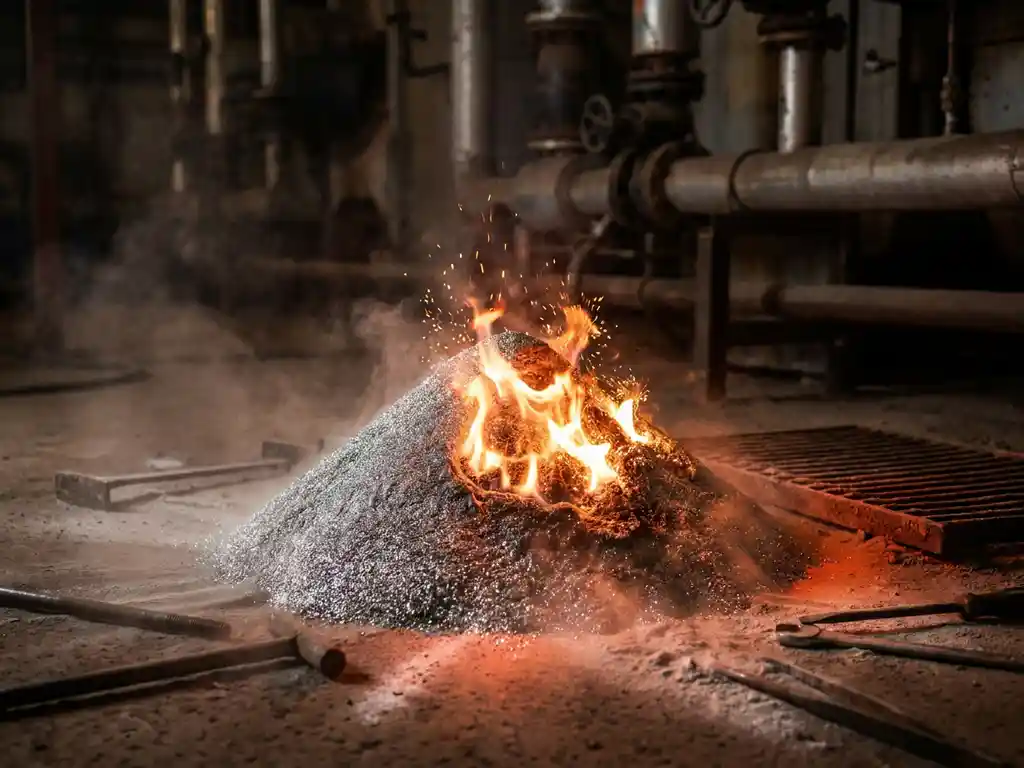
The cleanest energy sources are those that produce zero or near-zero emissions across their entire lifecycle. Renewables like solar, wind, and hydropower lead the way for electricity generation, while newer technologies such as iron fuel are emerging as genuinely clean options for industrial heat. The answer depends on what you need the energy for — and that distinction matters more than most people realise. Below, we walk through the key questions sustainability professionals are asking right now.
Which energy sources produce the fewest emissions?
Solar, wind, and hydropower produce the fewest emissions during operation, generating electricity with no direct CO₂ output. Nuclear energy also sits near the bottom of the lifecycle emissions scale. For industrial heat specifically, iron fuel technology and green hydrogen are among the cleanest options available, with iron fuel producing zero direct carbon emissions when burned.
It helps to distinguish between electricity generation and heat generation, because the cleanest solutions differ significantly between the two. Solar panels and wind turbines are well-established for powering buildings and grids, but they cannot easily replace the high-temperature heat that industrial processes demand. For those applications, the field of genuinely low-emission options is narrower — and newer technologies are stepping in to fill that gap.
What makes an energy source truly ‘clean’?
A truly clean energy source produces no harmful emissions during use and has a minimal environmental footprint across its full lifecycle — from production and transport to combustion and waste. The key criteria are zero or near-zero CO₂ emissions, low NOₓ and particulate output, and ideally a circular or renewable fuel cycle that avoids resource depletion.
Many energy sources marketed as “clean” only partially meet these criteria. Natural gas, for example, burns cleaner than coal but still releases significant CO₂. Hydrogen burns without carbon emissions, but its production often relies on fossil fuels unless it is genuinely green hydrogen. A truly clean energy source should hold up to scrutiny at every stage of the chain, not just at the point of combustion.
Circularity is another important dimension. An energy carrier that can be regenerated and reused — rather than consumed once and discarded — offers a fundamentally more sustainable model. This is one reason why iron fuel technology is attracting serious attention: iron powder burns cleanly, leaves behind iron oxide, and that iron oxide is regenerated using hydrogen to restart the cycle.
What is the cleanest energy option for industrial heat?
For industrial heat, the cleanest available options are green hydrogen, electrification using renewable power, and iron fuel technology. Each delivers zero or near-zero direct CO₂ emissions. Iron fuel stands out for high-temperature applications because it can reach flame temperatures of up to 2,000°C with no carbon output and ultra-low NOₓ emissions, while integrating with existing industrial infrastructure.
Industrial heat is a particularly stubborn decarbonisation challenge. Many processes in food production, chemicals manufacturing, and paper production require sustained, high-temperature heat that cannot easily be replaced by electricity alone. Green hydrogen can theoretically meet this need, but infrastructure constraints and cost remain significant barriers in many regions. Iron fuel offers a practical middle ground: high-temperature, carbon-free heat that works with existing boiler setups rather than requiring a complete overhaul.
How does iron fuel compare to hydrogen and electrification?
Iron fuel, hydrogen, and electrification are all genuinely clean energy options, but they differ significantly in practicality, cost, and infrastructure requirements. Iron fuel is easier and safer to transport than hydrogen, integrates with existing industrial systems, and delivers comparable or superior energy efficiency. Electrification is often limited by grid capacity and cannot always reach the temperatures industrial processes require.
Here is how the three options compare across the factors that matter most to industrial operators:
- Transport and storage: Iron fuel is a solid powder that ships safely in standard containers. Hydrogen requires specialist infrastructure for compression, storage, and transport.
- Temperature capability: Iron fuel can produce flames up to 2,000°C. Electric heating struggles to match this for many industrial applications.
- Infrastructure compatibility: Iron fuel boilers are designed to complement existing fossil fuel systems. Hydrogen and full electrification often require significant capital investment in new infrastructure.
- Emissions profile: All three options deliver zero direct CO₂ when the energy source is clean. Iron fuel and green hydrogen also avoid carbon at the point of combustion; electrification depends on the carbon intensity of the local grid.
- Circularity: Iron fuel operates in a closed loop — iron oxide is regenerated back into iron powder using hydrogen, making it a genuinely circular energy carrier.
For many industrial companies, the honest answer is that no single solution fits every situation. But for energy-intensive sectors where hydrogen infrastructure is not yet available and electrification is too limited, iron fuel offers a compelling and deployable alternative today.
Which industries benefit most from switching to cleaner energy?
The industries that benefit most from switching to cleaner energy are those with the highest heat demand and the greatest exposure to carbon pricing and regulatory pressure. Food and beverage, specialty chemicals, and pulp and paper are among the most impacted — they rely heavily on fossil-fuelled heat and face growing scrutiny from customers, regulators, and investors alike.
These sectors share a common challenge: their production processes depend on reliable, high-temperature heat that cannot simply be switched off or replaced overnight. At the same time, they operate under increasing pressure from frameworks like the EU Emissions Trading System, which makes every tonne of CO₂ a financial liability. Transitioning to a cleaner heat source is not just an environmental decision — it is increasingly a commercial one.
Beyond these three sectors, any energy-intensive industry with significant Scope 1 emissions from heat generation stands to gain. The industrial clean energy solutions that are gaining traction are precisely those that can slot into existing operations without disrupting output or requiring years of infrastructure build-out.
When is the right time to transition to a cleaner energy source?
The right time to transition is when the business case is clear, the technology is commercially available, and the cost of inaction outweighs the cost of change. For many industrial companies in 2026, that moment is now — carbon costs are rising, clean alternatives are reaching commercial maturity, and early movers gain a competitive advantage in procurement, reporting, and customer relationships.
A useful way to assess readiness is to work through the following questions in order:
- What are your current Scope 1 emissions from heat? Understanding your baseline is the first step to identifying where clean energy will have the greatest impact.
- What regulatory and financial exposure do you face? Carbon pricing, ETS obligations, and customer sustainability requirements all affect the urgency of the transition.
- Which clean energy technologies are compatible with your existing setup? Drop-in solutions that work with current infrastructure reduce both cost and disruption.
- What does your long-term energy supply look like? A reliable, long-term fuel supply agreement reduces risk and supports internal business case approval.
- Who are your internal champions? Transitions succeed when sustainability managers, operations leads, and finance teams are aligned from the start.
Waiting for perfect conditions rarely pays off. The companies making progress today are those willing to pilot new technologies, build internal knowledge, and engage with suppliers early — before regulatory pressure forces a rushed decision.
How RIFT helps you switch to clean industrial energy
We develop and deliver industrial iron fuel boilers that replace fossil-fuelled heat with a fully circular, carbon-free alternative — without requiring you to rebuild your operations from scratch. Our technology is designed for the industries where clean heat is hardest to achieve: food and beverage, specialty chemicals, and pulp and paper.
Here is what working with us looks like in practice:
- Zero direct CO₂ emissions from day one of operation, with ultra-low NOₓ output
- Up to 95% energy efficiency, outperforming most traditional fossil fuel boiler systems
- Seamless integration with existing boiler infrastructure — no complete overhaul required
- Long-term iron fuel supply agreements that give your operations the reliability and cost visibility they need
- Backed by €113.8 million in funding, including EU Innovation Fund support — so you are partnering with a financially robust, commercially ready company
Kingspan Unidek became the first company in the world to sign a commercial contract for iron fuel technology, and we are ready to bring the same solution to your facility. Want to explore whether iron fuel is the right fit for your decarbonisation goals? Get in touch with our team and let us start the conversation.
Frequently Asked Questions
How difficult is it to retrofit an existing industrial boiler to run on iron fuel?
Iron fuel technology is specifically designed for compatibility with existing industrial boiler infrastructure, which means a full system replacement is typically not required. The retrofit process involves integrating iron fuel burner components into your current setup, reducing both capital expenditure and operational downtime. The best starting point is an initial site assessment with a technology provider to identify any specific compatibility requirements for your facility.
What happens to the iron oxide waste produced after iron fuel combustion?
Iron oxide is not a waste product in the traditional sense — it is the key to iron fuel’s circular energy model. After combustion, the iron oxide is collected and regenerated back into iron powder using green hydrogen, effectively restarting the fuel cycle. This closed-loop process means there is no landfill burden, no carbon byproduct, and no resource depletion, making it one of the few truly circular industrial energy carriers currently available.
How does iron fuel perform in terms of safety compared to hydrogen or natural gas?
Iron fuel is a solid powder, which gives it a significant safety advantage over hydrogen, which is a highly flammable gas requiring pressurised storage and specialist handling infrastructure. Unlike natural gas, iron fuel carries no explosion risk from leaks and can be transported and stored using standard logistics. For industrial operators, this translates into lower insurance and compliance overhead and a simpler safety management framework.
Can iron fuel technology help us meet our Scope 1 emissions reduction targets?
Yes — because iron fuel produces zero direct CO₂ emissions at the point of combustion, any heat currently generated by fossil fuels that is replaced by iron fuel directly reduces your Scope 1 emissions. For industries where heat generation is the dominant source of Scope 1 output, such as food and beverage or pulp and paper, the impact can be substantial. This makes iron fuel a highly relevant tool for companies working toward net-zero commitments or facing obligations under frameworks like the EU Emissions Trading System.
Is iron fuel technology commercially available right now, or is it still in the research phase?
Iron fuel technology has moved beyond the research and pilot phase and is now at commercial readiness. Kingspan Unidek has already signed the world’s first commercial contract for iron fuel technology, demonstrating that real-world industrial deployment is underway. For companies evaluating clean heat options, this means iron fuel is a deployable solution today — not a technology to revisit in five years.
What is the typical cost comparison between iron fuel and the fossil fuels it replaces?
The total cost of ownership for iron fuel becomes increasingly competitive when carbon pricing, ETS obligations, and long-term fuel supply agreements are factored in alongside the headline energy price. While upfront integration costs vary by facility, the financial exposure of continuing to rely on fossil-fuelled heat — particularly as carbon costs rise — often makes the business case for transition straightforward. Engaging directly with a technology provider for a facility-specific cost analysis is the most reliable way to model the financial case for your operation.
How do we build an internal business case for switching to a clean industrial heat source?
A strong internal business case typically rests on four pillars: your current Scope 1 emissions baseline, your financial exposure to carbon pricing and regulatory requirements, the compatibility of available clean technologies with your existing infrastructure, and a credible long-term fuel supply agreement. Bringing sustainability, operations, and finance teams into the conversation early is critical — transitions that align all three functions from the outset move significantly faster than those driven by a single department. Starting with a pilot project or a site assessment is often the most effective way to generate the internal evidence needed to secure leadership approval.
Related Articles
- What is a circular energy carrier and how does it work in industry?
- Is nuclear energy considered renewable?
- What is the difference between onshore and offshore wind energy?
- How recyclable are solar panels and wind turbines?
- What is a heat pump and how does it use renewable energy?
This content was generated with the help of AI and it may contain mistakes