

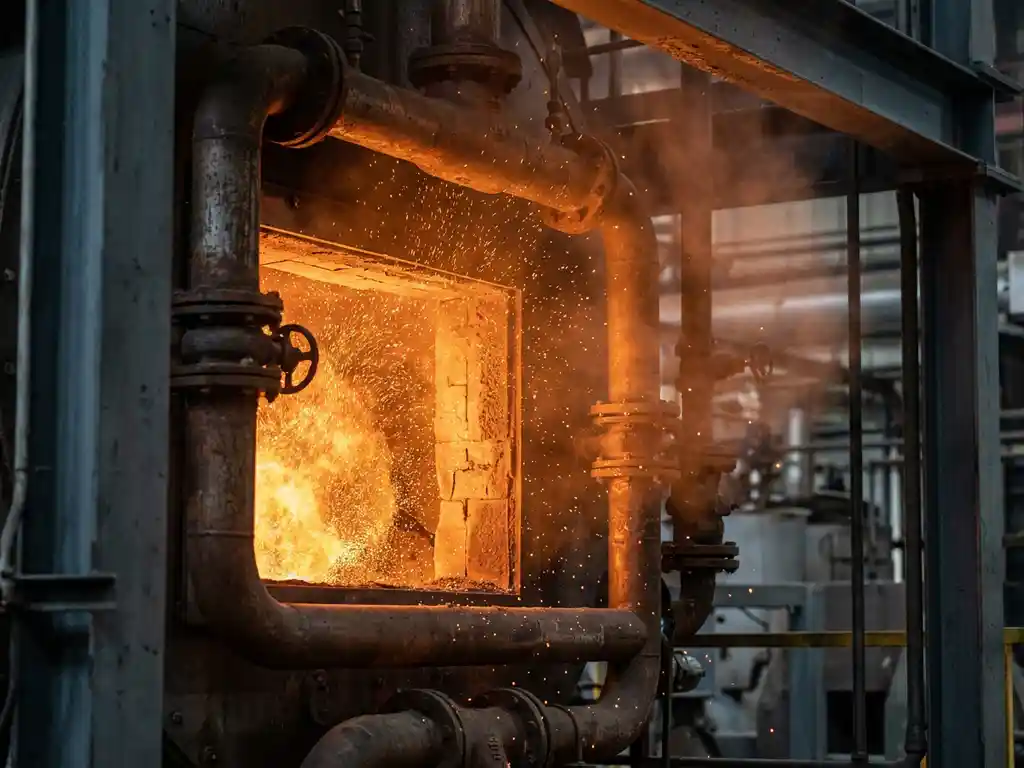
Green energy can be used for electricity generation, heating, transportation, and industrial processes, covering virtually every sector of the modern economy. While most people associate green energy with solar panels or wind turbines powering homes and offices, its potential reaches far deeper into energy-intensive industries that still rely heavily on fossil fuels. This article unpacks the most important questions about what green energy is actually used for today, and where the biggest opportunities still lie.
What industries use the most energy, and why does that matter for green energy?
Industry is the single largest energy-consuming sector globally, accounting for roughly 37% of total global energy consumption. Within that, approximately two-thirds of industrial energy demand is used for heat generation, and around 80% of that heat is still produced by burning fossil fuels. This matters enormously for green energy because it reveals where the transition is most incomplete.
Sectors like food and beverage, specialty chemicals, and pulp and paper are among the most energy-intensive industries in the world. They rely on continuous, high-temperature heat to run their processes, heat that cannot simply be switched off or replaced overnight. For green energy to fulfil its potential, it must reach these industries, not just power grids and electric vehicles.
The challenge is scale and intensity. Industrial heat often needs to reach temperatures far beyond what conventional electric heating can deliver cost-effectively. This is why decarbonising industrial heat remains one of the most important and underappreciated challenges in the entire clean energy transition.
What are the main uses of green energy today?
Today, green energy is primarily used in four areas: electricity generation, heating and cooling, transport, and increasingly, industrial applications. Renewable electricity from wind and solar has expanded rapidly, and in many regions it now forms a significant share of the power grid. But electricity generation is only part of the picture.
The main uses of green energy in 2026 include:
- Electricity generation: Wind, solar, and hydropower supply clean electricity to homes, businesses, and public infrastructure
- Heating and cooling: Heat pumps, geothermal systems, and solar thermal technology provide low-carbon warmth for buildings
- Transport: Electric vehicles, hydrogen fuel cells, and sustainable aviation fuels are reducing emissions in mobility
- Industrial processes: Green electricity, green hydrogen, and emerging technologies like iron fuel are beginning to replace fossil fuels in manufacturing and production
Despite this progress, industrial heat remains the most stubborn area. The technologies that work well for homes and vehicles do not always translate to the extreme temperatures and continuous output that factories require. That gap is where the next wave of green energy innovation is focused.
Can green energy replace fossil fuels in high-temperature industrial processes?
Yes, green energy can replace fossil fuels in high-temperature industrial processes, but the solution depends heavily on the technology used and the specific process requirements. Not every green energy source is capable of delivering the sustained, intense heat that industries like chemicals, paper, and food production demand.
High-temperature industrial processes typically require heat above 500°C, and some processes demand temperatures well above 1,000°C. Conventional electrification struggles at these levels due to cost and infrastructure constraints. Green hydrogen is a candidate, but it faces challenges around storage, transportation safety, and the availability of infrastructure.
Newer technologies are closing this gap. Iron Fuel Technology, for example, burns fine iron powder to produce a flame of up to 2,000°C with zero direct CO₂ emissions, making it technically capable of meeting even the most demanding industrial heat requirements. The key insight is that replacing fossil fuels in industry is not a single-solution problem; it requires matching the right green technology to the right process.
What is the difference between green electricity and green heat?
Green electricity and green heat are both forms of renewable energy, but they serve different purposes and are produced in fundamentally different ways. Green electricity is electrical power generated from renewable sources like wind, solar, or hydro. Green heat is thermal energy produced without fossil fuels, used directly to warm spaces, water, or industrial processes.
The distinction matters because most industrial energy demand is for heat, not electricity. Converting green electricity into usable industrial heat through electric resistance or heat pumps is possible, but it comes with efficiency losses and infrastructure requirements that make it impractical or too costly for many applications.
Green heat solutions, such as geothermal energy, solar thermal, biomass combustion, or iron fuel combustion, generate thermal energy directly, often at higher temperatures and with fewer conversion losses. For industries that need large volumes of continuous, high-grade heat, dedicated green heat technologies are frequently more practical and cost-effective than electrification alone.
Which green energy technology is best for industrial heat?
There is no single best green energy technology for all industrial heat applications; the right choice depends on the required temperature, available infrastructure, cost constraints, and the existing setup of the facility. However, some technologies are better suited to high-temperature, high-intensity industrial environments than others.
When evaluating green heat technologies for industrial use, the key criteria are:
- Temperature capability: Can the technology reach the process temperature required, consistently and reliably?
- Infrastructure compatibility: Does it require major changes to existing boiler systems or energy infrastructure?
- Cost competitiveness: Is the total cost of heat, fuel, equipment, and operation, viable compared to fossil fuel alternatives?
- Emissions performance: Does it deliver genuine Scope 1 CO₂ reductions, not just offsets?
- Fuel availability and logistics: Can the fuel be sourced, stored, and transported reliably at industrial scale?
Green hydrogen scores well on temperature but faces real challenges on infrastructure and cost. Biomass is widely available but carries CO₂ emissions and sustainability concerns. Iron fuel, which burns cleanly, stores safely in standard containers, and integrates with existing boiler setups, addresses several of these criteria simultaneously, making it a strong candidate for industries where electrification and hydrogen are not yet viable.
How close is green energy to replacing fossil fuels in industry?
Green energy is making real progress in replacing fossil fuels in industry, but the transition is still in its early stages for the most energy-intensive sectors. Renewable electricity has achieved meaningful scale in power generation, but industrial heat decarbonisation is lagging significantly behind. The good news is that commercial solutions are now moving from pilot projects to real deployments.
Several factors are accelerating the transition:
- Regulatory pressure, including the EU Emissions Trading System, is raising the cost of carbon and making fossil fuel heat more expensive over time
- Board-level net-zero commitments are driving sustainability managers to find credible, near-term solutions rather than waiting for perfect technologies
- Investment in clean industrial heat technologies has grown substantially, with large funding rounds now backing companies moving from pilot to commercial scale
- The first commercial contracts for technologies like iron fuel are being signed, demonstrating that real-world deployment is no longer theoretical
The honest assessment is that full decarbonisation of industrial heat will take decades, but the tools to begin that journey exist today. The gap between ambition and action is narrowing, and for sustainability managers, the question is less “is this possible?” and more “which solution fits our operation now?”
How RIFT helps decarbonise industrial heat
We at RIFT have built our technology specifically to address the challenge this article describes: replacing fossil fuels in high-temperature industrial processes where electrification and hydrogen fall short. Our Iron Fuel Boiler burns fine iron powder to produce heat up to 2,000°C with zero direct CO₂ emissions and ultra-low NOₓ, and it integrates with existing industrial boiler infrastructure without requiring a complete overhaul.
What makes our approach practical for sustainability managers:
- Drop-in compatibility: Our boiler is designed to work alongside existing fossil fuel systems, reducing disruption and upfront investment
- Up to 95% energy efficiency: Outperforming many traditional fossil fuel systems, which means lower operational costs over time
- Circular fuel cycle: Iron powder burns to iron oxide, which is regenerated using hydrogen, a fully closed loop with no CO₂ byproduct
- Reliable fuel supply: Iron fuel is abundant, safe to transport in standard containers, and backed by long-term supply agreements
- Proven at commercial scale: We signed the world’s first commercial contract for industrial iron fuel deployment with Kingspan Unidek
Backed by €113.8 million in funding, we are scaling from pilot testing to commercial reality, and we are ready to work with industrial companies who are serious about decarbonising their heat. If you are a sustainability manager looking for a credible, high-performance alternative to fossil fuels, explore our industrial heat solutions or get in touch with our team to discuss what Iron Fuel Technology could mean for your operation.
Frequently Asked Questions
How difficult is it to retrofit an existing industrial boiler to run on green energy like iron fuel?
Retrofitting an existing industrial boiler depends heavily on the technology chosen. Solutions like iron fuel are specifically designed for drop-in compatibility, meaning they can integrate with existing boiler infrastructure without requiring a complete system overhaul — significantly reducing both downtime and upfront capital expenditure. In contrast, switching to green hydrogen or full electrification often demands substantial changes to pipework, safety systems, and energy supply contracts, making them more disruptive and costly to implement in the short term.
What is the biggest mistake sustainability managers make when evaluating green heat technologies?
The most common mistake is evaluating green heat technologies purely on headline carbon reduction figures without accounting for total cost of heat, infrastructure requirements, and operational reliability. A technology that looks impressive on paper may require fuel supply chains, storage systems, or process modifications that make it impractical for your specific facility. A more effective approach is to assess each option against your actual process temperature requirements, existing infrastructure, and realistic deployment timeline — not just its theoretical emissions performance.
Is green hydrogen a viable option for industrial heat right now, or is it still too early?
Green hydrogen is technically capable of reaching the high temperatures industrial processes require, but significant practical barriers remain in 2026. Infrastructure for hydrogen storage and distribution is still underdeveloped in most regions, and the cost of green hydrogen remains high compared to fossil fuel alternatives. For industries that need a near-term, commercially deployable solution, technologies with simpler fuel logistics — such as iron fuel, which can be transported in standard containers — may offer a more practical path to decarbonisation while hydrogen infrastructure continues to mature.
How does iron fuel's circular fuel cycle actually work in practice?
In the iron fuel cycle, fine iron powder is combusted in a boiler to produce high-temperature heat, with iron oxide (rust) as the only solid byproduct — no CO₂ is emitted during combustion. The iron oxide is then collected and regenerated back into iron powder using green hydrogen in a separate process, completing a fully closed loop. This means the fuel is effectively reused rather than consumed, making the system genuinely circular and eliminating the carbon emissions associated with conventional fossil fuel combustion.
What regulations or carbon pricing mechanisms should industrial companies be tracking right now?
The EU Emissions Trading System (EU ETS) is the most immediately relevant mechanism for European industrial operators, as it directly increases the financial cost of Scope 1 CO₂ emissions from industrial heat. The EU’s Carbon Border Adjustment Mechanism (CBAM) is also expanding its reach, affecting industries that trade internationally. Beyond the EU, many national governments are introducing or tightening carbon pricing schemes, meaning the financial case for switching to green heat is strengthening across multiple markets — making early action increasingly advantageous over a wait-and-see approach.
How should a sustainability manager build the internal business case for switching to green industrial heat?
A strong internal business case should combine the financial, regulatory, and reputational dimensions of the decision. Start by quantifying the rising cost of carbon under current and projected carbon pricing scenarios, then model the total cost of heat for the green alternative — including fuel, equipment, and operational costs — against your current fossil fuel spend. Complement this with the risk exposure of inaction: regulatory non-compliance costs, supply chain decarbonisation pressure from customers, and the reputational risk of missing publicly stated net-zero targets. Framing the switch as risk mitigation, not just a sustainability initiative, tends to be far more persuasive at board level.
Are there industries where green energy is simply not yet ready to replace fossil fuels for heat?
Yes — certain ultra-high-temperature processes, such as primary steelmaking and cement production, remain among the hardest to decarbonise due to the extreme temperatures involved and the sheer scale of continuous heat demand. While technologies like iron fuel, green hydrogen, and electric arc furnaces are advancing rapidly, full commercial deployment at the scale these sectors require is still in progress. However, this does not mean companies in these industries should wait — partial decarbonisation, pilot programmes, and phased transitions are all viable near-term strategies that build operational experience and reduce emissions ahead of full solutions becoming widely available.
Related Articles
- How can manufacturers reduce upfront investment when switching to clean heat?
- What is the best clean energy?
- How does renewable energy reduce carbon emissions?
- What is a smart grid and how does it support renewable energy?
- How does renewable energy create jobs?
This content was generated with the help of AI and it may contain mistakes