

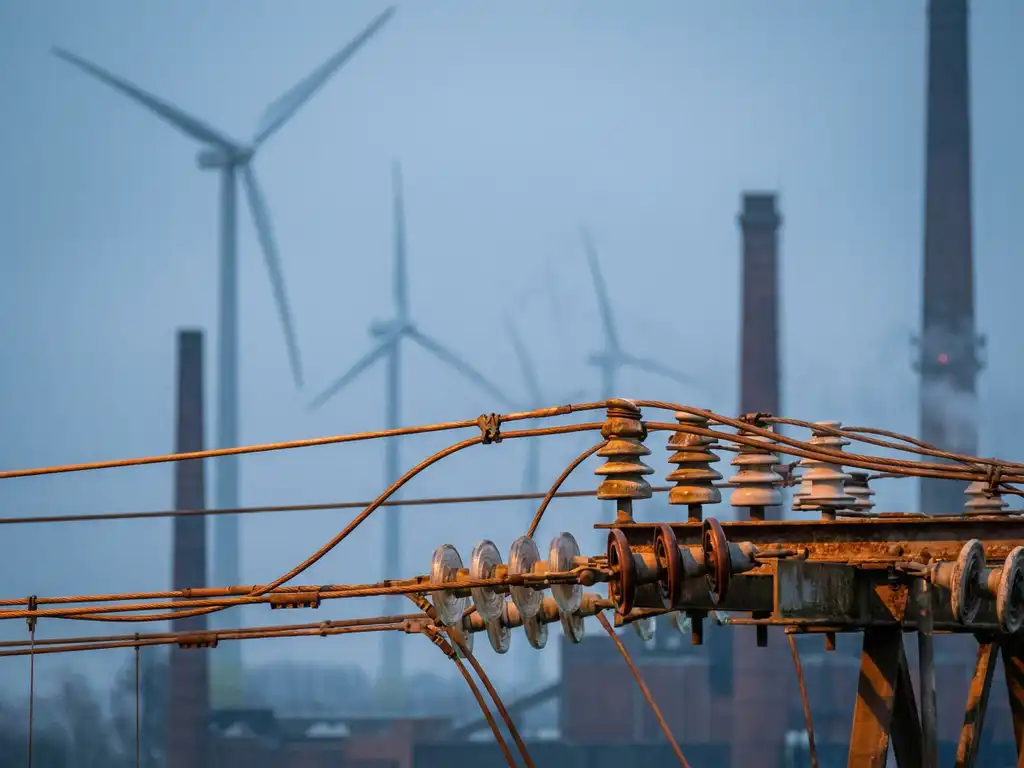
A smart grid is an electricity network that uses digital communication technology to detect and respond to changes in energy supply and demand in real time. Unlike a traditional grid, it connects power producers, storage systems, and consumers through a two-way flow of both electricity and data. This makes it far better equipped to handle the variability of renewable energy sources like solar and wind, and to keep the grid stable as the energy mix shifts away from fossil fuels.
Fossil fuel dependence in your grid is slowing down your decarbonisation progress
Traditional electricity grids were built around predictable, centralised power plants running on fossil fuels. They move electricity in one direction and respond slowly to change. As more renewable energy enters the mix, that rigidity becomes a real problem. Mismatches between supply and demand lead to wasted energy, grid instability, and higher costs. The fix is not just adding more renewables—it is building intelligence into the grid to manage them properly. That is exactly what smart grid technology is designed to do.
Treating electricity and heat decarbonisation as separate problems is holding back net-zero progress
Most conversations about smart grids focus on electricity. But industrial heat, which accounts for roughly two-thirds of industrial energy consumption, is largely left out of the picture. Companies working toward net-zero targets often find that their electricity supply is getting cleaner while their heat generation remains stubbornly dependent on fossil fuels. Addressing both sides of the energy equation—power and heat—together is the only way to make meaningful progress. Technologies that work alongside grid improvements, rather than depending entirely on them, are increasingly important for industries that cannot wait for infrastructure to catch up.
What is a smart grid and how is it different from a traditional grid?
A smart grid is an upgraded electricity network that uses sensors, software, and two-way communication to manage the flow of energy dynamically. A traditional grid moves electricity in one direction, from large power plants to consumers, with limited ability to adapt. A smart grid responds in real time to changes in supply, demand, and grid conditions across the entire network.
The core difference is intelligence. Traditional grids were designed for a world of centralised, predictable generation. Smart grids are designed for a world where energy comes from many sources, including rooftop solar panels, wind farms, and battery storage systems, and where demand is increasingly flexible.
In practical terms, this means a smart grid can automatically reroute power when a line goes down, adjust pricing signals to shift demand away from peak hours, and integrate distributed energy resources without destabilising the network. It treats the grid as a living system rather than a fixed infrastructure.
How does a smart grid work in practice?
A smart grid works by combining physical energy infrastructure with a layer of digital monitoring and control. Smart meters measure consumption in real time. Sensors across the network track voltage, frequency, and load. Software systems process this data and make automatic or operator-guided adjustments to keep supply and demand in balance.
Communication runs in both directions. Consumers can send data back to the grid, for example through smart appliances that adjust their usage based on grid signals, or through electric vehicles that charge when supply is high and prices are low. Grid operators receive a continuous picture of what is happening across the entire network.
This two-way flow of information enables several things that were not possible with traditional infrastructure: faster fault detection, more precise load balancing, better integration of variable renewable sources, and the ability to coordinate distributed storage assets as a single flexible resource.
What are the main benefits of a smart grid for energy users?
Smart grids offer energy users greater reliability, lower costs over time, and access to cleaner energy. By balancing supply and demand more precisely, they reduce the frequency and duration of outages. Dynamic pricing signals allow consumers and businesses to shift flexible loads to cheaper, lower-carbon periods of the day.
For industrial energy users, the benefits extend further. Smart grid infrastructure can support demand response programmes, where large consumers agree to reduce or shift their load during periods of grid stress in exchange for financial incentives. This gives companies more control over their energy costs while contributing to overall grid stability.
The main benefits include:
- Improved reliability: Faster fault detection and automatic rerouting reduce downtime.
- Lower energy costs: Real-time pricing and demand response create opportunities to reduce bills.
- Better renewable integration: The grid can absorb more variable generation without instability.
- Reduced emissions: Smarter dispatch of generation assets prioritises cleaner sources when available.
- Greater transparency: Real-time consumption data helps users understand and manage their energy use.
How does a smart grid support the integration of renewable energy?
A smart grid supports renewable energy integration by providing the flexibility and coordination needed to manage variable generation. Solar and wind power output changes with weather conditions, not with demand. A smart grid uses forecasting, storage coordination, and demand response to match that variable supply with actual consumption in real time.
Without smart grid capabilities, adding large amounts of renewable energy to a traditional grid creates instability. Too much generation at once can cause frequency deviations; too little can trigger blackouts. Smart grid systems continuously monitor these conditions and respond automatically, making it technically feasible to run a grid on a high share of renewables.
Smart grids also make it possible to connect distributed renewable generation, such as solar panels on factory rooftops, to the wider network without overloading local infrastructure. This opens up the grid to a much broader range of clean energy sources and locations, which is essential for reaching national and European renewable energy targets.
For industries exploring clean energy technology options beyond electrification, understanding how the grid is evolving helps clarify which decarbonisation pathways are realistic in the near term and which depend on infrastructure that may still be years away.
What is the role of energy storage in a smart grid?
Energy storage is what gives a smart grid its flexibility. It allows excess electricity generated during periods of high renewable output to be saved and released when demand rises or generation drops. Without storage, a grid relying heavily on renewables would struggle to stay balanced. With it, the grid can absorb variability and deliver stable power regardless of weather conditions.
Storage in a smart grid takes several forms. Battery systems can respond in seconds to frequency deviations. Pumped hydro provides large-scale, longer-duration storage. Thermal storage, including heat stored in industrial processes or dedicated tanks, offers another way to shift energy use without relying on electricity infrastructure alone.
The coordination of storage assets is one of the most technically demanding aspects of smart grid management. Software systems must continuously decide when to charge, when to discharge, and how to prioritise competing demands across the network. Getting this right is what separates a well-functioning smart grid from one that merely has smart meters installed.
What are the challenges of transitioning to a smart grid?
Transitioning to a smart grid involves significant technical, financial, and regulatory challenges. The infrastructure investment required is substantial, covering everything from new sensors and communication systems to upgraded substations and software platforms. Cybersecurity becomes a serious concern when critical energy infrastructure is connected to digital networks. Existing regulatory frameworks were not designed with smart grids in mind.
The transition typically follows several stages:
- Assessment and planning: Mapping existing infrastructure and identifying upgrade priorities based on grid conditions and renewable energy targets.
- Metering and monitoring deployment: Installing smart meters and sensors to create real-time visibility across the network.
- Communication infrastructure: Building the two-way data networks that connect all grid components.
- Software and control systems: Implementing platforms that can process data and automate grid management decisions.
- Stakeholder coordination: Aligning utilities, regulators, consumers, and technology providers on standards, pricing models, and responsibilities.
For industrial companies, the transition also raises a practical question: how much of their decarbonisation strategy should depend on grid improvements that may take a decade or more to materialise? Many businesses are exploring technologies that reduce their reliance on grid availability, particularly for heat generation, where the grid often plays no role today.
How Iron Fuel Technology supports industrial decarbonisation beyond the grid
Smart grids are an essential part of the clean energy transition, but they primarily address electricity. For industries that rely on high-temperature heat, a different solution is needed—one that does not depend on grid upgrades or electrification infrastructure that may not yet be available.
That is the gap we address at RIFT. Our Iron Fuel Boiler delivers carbon-free industrial heat using iron powder as a circular energy carrier, burning cleanly to produce high-temperature heat with zero direct CO₂ emissions. It is designed to work alongside existing boiler infrastructure, not replace it entirely, making it a practical option for companies that need to act now.
- Zero direct CO₂ emissions from combustion, with only iron oxide as a by-product.
- Up to 95% energy efficiency, outperforming many conventional fossil fuel systems.
- Drop-in compatibility with existing boiler setups, requiring no major infrastructure overhaul.
- Long-term fuel supply agreements for predictable, reliable access to iron fuel.
- Cost-competitive pricing aligned with fossil fuel benchmarks to protect your margins.
If you are exploring how to decarbonise your industrial heat processes without waiting for grid infrastructure to catch up, we would be glad to talk through what is possible for your operation. Get in touch with our team to start the conversation.
Related Articles
- What is the difference between iron fuel and hydrogen for industrial heat?
- How can manufacturers reduce upfront investment when switching to clean heat?
- Who uses the EIA report?
- What is green hydrogen and how is it produced?
- How does renewable energy reduce carbon emissions?
This content was generated with the help of AI and it may contain mistakes