

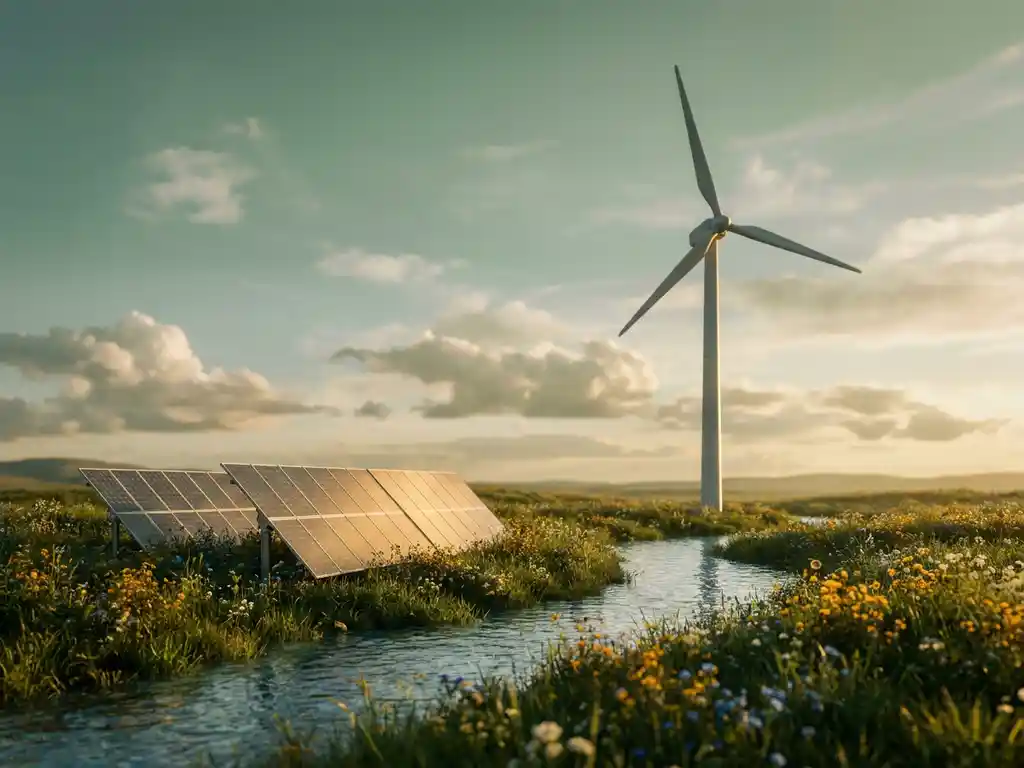
Renewable energy affects the environment in overwhelmingly positive ways—reducing greenhouse gas emissions, improving air quality, and slowing climate change. But the full picture is more nuanced than a simple clean-versus-dirty comparison. Different renewable technologies carry different environmental footprints, and some sectors—particularly industrial heat—are far harder to clean up than others. Understanding those differences helps you make smarter decisions about real decarbonisation.
Fossil fuel dependency in industry is costing the planet more than most people realise
Industry accounts for roughly 37% of total global energy consumption, and the vast majority of that energy goes toward generating heat. Around 80% of that industrial heat still comes from burning fossil fuels—coal, oil, and natural gas. Every tonne of fuel burned releases carbon dioxide and nitrogen oxides directly into the atmosphere. These aren’t marginal emissions. They represent one of the largest and most stubborn sources of climate impact on Earth. The fix isn’t simply swapping one fuel for another overnight—it requires rethinking the entire energy carrier, from production to combustion to reuse.
Sticking with conventional decarbonisation routes is holding back industrial climate progress
Many industrial operators know they need to act on emissions but find that the most commonly discussed solutions—full electrification or switching to hydrogen—don’t fit their operations. Grid infrastructure constraints, prohibitive upfront investment, and the extreme temperature demands of industrial processes make these routes impractical for a large share of manufacturers. The result is a decarbonisation gap: companies with genuine intent but no workable path forward. The answer lies in technologies that work within existing infrastructure rather than requiring a complete overhaul—solutions designed as drop-in replacements rather than full system rebuilds.
What is the environmental impact of renewable energy?
Renewable energy significantly reduces carbon dioxide emissions, air pollution, and dependence on finite fossil fuel reserves. Unlike coal, oil, or gas, most renewable energy sources produce little to no direct greenhouse gas emissions during operation. The environmental impact varies by technology—solar, wind, hydro, and emerging options like iron fuel each carry different production footprints and lifecycle emissions profiles.
On balance, the shift to renewable energy is one of the most effective tools available for reducing climate impact. Power generation from wind and solar has seen dramatic cost reductions and emissions improvements over the past decade. But electricity generation is only part of the story. Industrial heat—the process of generating high temperatures for manufacturing, food processing, and chemical production—remains largely fossil-fuel dependent and contributes a disproportionate share of global emissions.
When evaluating the environmental impact of any renewable energy technology, the full chain matters: how the energy carrier is produced, how it is transported, and what happens when it is used. A technology that appears clean at the point of use may carry upstream emissions if its production relies on fossil-derived inputs.
How does burning fossil fuels for industrial heat harm the environment?
Burning fossil fuels for industrial heat releases carbon dioxide, nitrogen oxides, and particulate matter directly into the atmosphere. These emissions drive climate change, degrade air quality, and contribute to respiratory health problems in nearby communities. Industrial combustion is one of the hardest sources of emissions to eliminate because it operates at very high temperatures that most clean alternatives struggle to match.
Natural gas- and coal-fired industrial boilers are the workhorses of manufacturing. They are reliable and well understood, but every hour of operation releases CO₂ that accumulates in the atmosphere. Unlike power generation—where renewables have made significant inroads—industrial heat has seen comparatively little decarbonisation. The temperature requirements are demanding, the processes are continuous, and the cost of disruption is high.
Nitrogen oxide emissions add another layer of harm. NOₓ contributes to smog formation and acid rain, and is directly linked to respiratory illness. Conventional industrial burners produce NOₓ as a natural byproduct of high-temperature combustion with air. Reducing these emissions while maintaining heat output has been a persistent engineering challenge—one that newer clean energy technologies are beginning to address directly.
What are the environmental benefits of switching to clean industrial heat?
Switching to clean industrial heat eliminates direct CO₂ and NOₓ emissions from manufacturing processes, improves local air quality, and contributes meaningfully to national and corporate climate targets. For energy-intensive industries, clean heat represents the single largest lever available for reducing Scope 1 emissions—the direct emissions a company controls and reports.
The benefits extend beyond the atmosphere. Companies that decarbonise their heat processes reduce their exposure to carbon pricing mechanisms such as the EU Emissions Trading System, which makes fossil fuel use progressively more expensive over time. Cleaner operations also respond to growing customer and investor pressure to demonstrate credible emissions reductions—not just commitments.
There is also a practical operational benefit. Modern clean heat technologies are increasingly designed to integrate with existing boiler infrastructure rather than replace it entirely. That means companies can reduce emissions without stopping production, managing the transition in stages rather than facing a single high-risk overhaul.
How does iron fuel technology work as a clean energy carrier?
Iron fuel technology uses fine iron powder as an energy carrier. The iron burns with ambient air to produce high-temperature heat, releasing zero direct CO₂ emissions. The only byproduct is iron oxide—essentially rust—which is then collected, transported to a production facility, and converted back into iron fuel using hydrogen. The cycle then repeats.
The process works in four stages:
- Storage and transport: Iron powder is stored and delivered to industrial sites as a solid, stable fuel. It requires no pressurised containers or cryogenic handling.
- Combustion: The iron fuel burns inside a boiler, generating flame temperatures of up to 2,000°C and producing steam, hot water, or hot air for industrial processes. CO₂ emissions from combustion are effectively zero—the only CO₂ output comes from a small pilot safety flame, amounting to just 10 kg per megawatt-hour of thermal energy.
- Collection: After combustion, the iron oxide byproduct is collected from the boiler chamber and transported back to a production facility.
- Regeneration: Using hydrogen as a reducing agent, the iron oxide is converted back into iron fuel, completing the circular cycle. The production process emits zero CO₂ and zero NOₓ.
Across the full chain—using low-carbon hydrogen and applying EU greenhouse gas methodology—the technology delivers a CO₂ reduction of 0.55 tonnes of CO₂ equivalent per tonne of iron fuel produced. The Iron Fuel Boiler system achieves an energy efficiency of up to 95%, and the production system reaches 86% hydrogen-to-iron-fuel efficiency. You can explore the full technical details on the Iron Fuel Technology page.
What’s the difference between iron fuel, hydrogen, and electrification for industrial decarbonisation?
Iron fuel, hydrogen, and electrification are all viable routes to decarbonising industrial processes, but they suit different operational contexts. The key distinction is that iron fuel is a solid-state energy carrier that integrates with existing boiler infrastructure, while hydrogen requires new pipelines or on-site storage and electrification demands significant grid upgrades. Each approach has different cost, infrastructure, and temperature profiles.
Electrification works well for lower-temperature processes and where grid access is reliable and affordable. But many industrial processes require temperatures that electric systems struggle to reach economically, and upgrading grid connections can take years and carry substantial capital costs.
Hydrogen direct combustion is a promising route, but it comes with real-world constraints. Hydrogen is difficult to store and transport at scale, requires new infrastructure, and carries safety considerations that add complexity and cost. Green hydrogen supply chains are still maturing in most regions.
Iron fuel occupies a different position. Because it is a solid powder, it can be stored and transported using existing logistics infrastructure—no pipelines, no cryogenic tanks. It integrates with current boiler setups rather than replacing them, which lowers the barrier to adoption. For industries where full electrification or hydrogen is not yet viable, iron fuel offers a practical path to near-zero emissions without waiting for infrastructure that may not arrive for years.
Which industries benefit most from renewable heat technologies?
Industries that rely on continuous, high-temperature heat processes benefit most from renewable heat technologies. Food and beverage, specialty chemicals, and pulp and paper are among the sectors with the greatest need and the most to gain—these industries operate large boiler systems around the clock and face significant regulatory and market pressure to reduce emissions.
In food and beverage production, steam is essential for sterilisation, cooking, and cleaning. These processes run continuously, making the fuel source a major driver of both cost and emissions. Switching to a clean heat technology that integrates with existing steam systems can deliver substantial emissions reductions without disrupting production schedules.
Specialty chemicals and pulp and paper share similar characteristics: high and consistent heat demand, existing boiler infrastructure worth preserving, and growing exposure to carbon pricing. For sustainability managers in these sectors, the ability to reduce Scope 1 emissions without a full system rebuild is a significant practical advantage. You can see how these applications translate to real-world solutions on the RIFT solutions page.
How RIFT helps industrial companies reduce their environmental impact
We built Iron Fuel Technology specifically to address the decarbonisation gap that electrification and hydrogen cannot yet fill. For sustainability managers in energy-intensive industries, our Iron Fuel Boiler offers a practical, high-efficiency route to near-zero direct emissions without requiring a complete overhaul of existing infrastructure.
- Zero direct CO₂ emissions from combustion, with ultra-low NOₓ—the lowest of any fuel
- Up to 95% energy efficiency, outperforming many conventional fossil fuel boilers
- Drop-in compatibility with existing boiler systems, reducing disruption and capital risk
- A circular fuel cycle—iron oxide is regenerated back into iron fuel, closing the loop
- Long-term fuel supply agreements to give your operations cost certainty and reliability
We have already signed the first commercial contract worldwide for industrial iron fuel use, and our technology has been demonstrated at megawatt scale at Technology Readiness Level 7. If you are building the business case for clean industrial heat, we would be glad to talk through what this could mean for your operations. Get in touch with our team to start the conversation.
Related Articles
- What is the difference between nuclear energy and renewable energy?
- What are the biggest challenges of switching to renewable energy?
- What is energy independence and how do renewables enable it?
- How does solar energy work?
- How does renewable energy work?
This content was generated with the help of AI and it may contain mistakes