

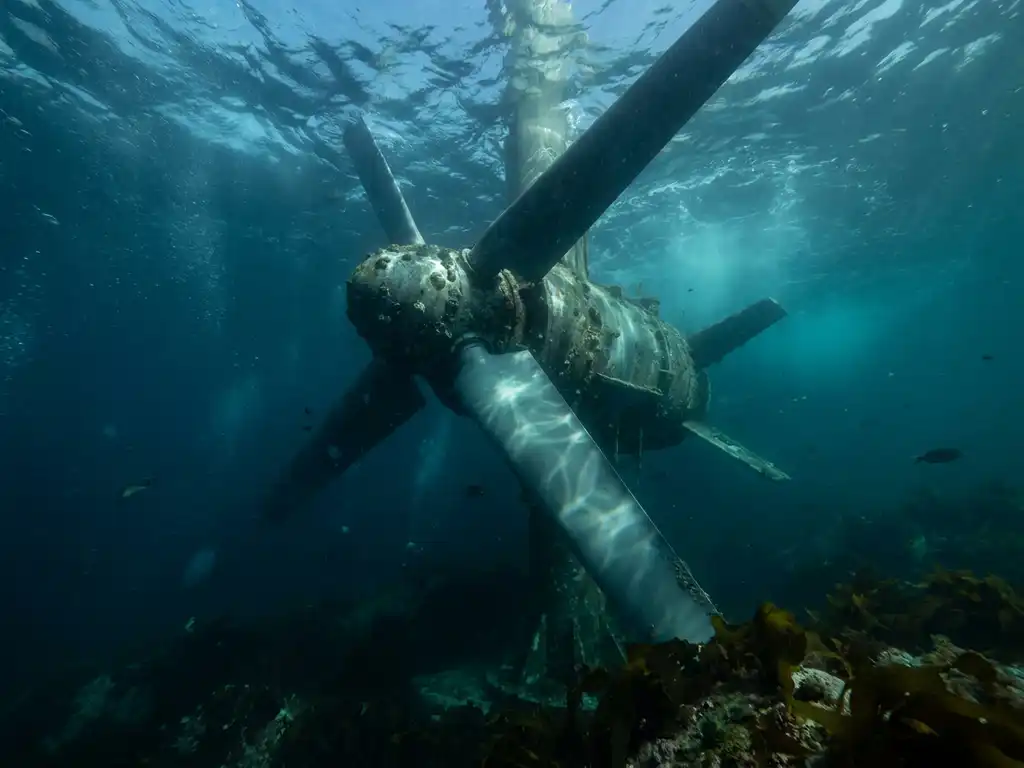
Tidal energy is a form of renewable energy generated by capturing the kinetic and potential energy created by the rise and fall of ocean tides. Driven by the gravitational pull of the Moon and the Sun, tidal movements are highly predictable and consistent, making tidal power one of the most reliable sources of renewable energy available—unlike solar or wind, which depend on weather conditions.
Relying on unpredictable renewables is slowing down the clean energy transition
One of the biggest frustrations for energy planners is intermittency. Solar panels stop producing at night. Wind turbines stand still on calm days. When energy supply is unreliable, industries and grid operators are forced to keep fossil-fuel backup systems running—which defeats the purpose of switching in the first place. Tidal energy addresses this directly. Because tides follow astronomical cycles that can be calculated years in advance, tidal generation can be scheduled and planned accordingly. That predictability has real value for grid stability and long-term energy planning.
Treating all renewable energy sources as interchangeable is holding back smarter energy strategy
Not all renewable energy works the same way, and treating it as a single homogeneous category leads to poor infrastructure decisions. Tidal energy is geographically specific, capital-intensive, and best suited to locations with strong tidal flows—coastal regions, estuaries, and narrow straits. Choosing the wrong technology for the wrong context means wasted investment and underperforming assets. Understanding where tidal energy fits, and where it does not, helps energy decision-makers build portfolios that actually deliver on decarbonization targets.
What is tidal energy and where does it come from?
Tidal energy comes from the gravitational forces exerted by the Moon and, to a lesser extent, the Sun on Earth’s oceans. As these forces cause sea levels to rise and fall in regular cycles, the movement of large volumes of water creates energy that can be captured and converted into electricity. Tidal energy is a renewable resource because tides are continuous and will persist for as long as the Moon orbits Earth.
The primary driver is the Moon’s gravity, which creates a tidal bulge on the side of Earth facing the Moon and a corresponding bulge on the opposite side. As Earth rotates, coastal areas pass through these bulges, experiencing high and low tides roughly twice a day. The Sun contributes additional gravitational pull, which is why tides are stronger during new and full moons, when the Sun and Moon align.
Unlike fossil fuels, tidal energy does not deplete over time and produces no direct carbon emissions during generation. It is also distinct from other ocean energy sources such as wave energy or ocean thermal energy, which are driven by different physical processes.
How does tidal energy work to generate electricity?
Tidal energy generates electricity by capturing the movement of water caused by tidal flows. This movement is converted into mechanical energy using turbines or other capture devices, which then drive generators to produce electricity. The process works in two main ways: by exploiting differences in water height between high and low tide, or by capturing the kinetic energy of moving tidal currents directly.
In tidal barrage systems, a dam-like structure is built across a tidal estuary. As the tide rises, water fills the reservoir behind the barrage. When the tide falls, the stored water is released through turbines, generating electricity as it flows back out. Some barrages can generate power in both directions, capturing energy on both the incoming and outgoing tides.
In tidal stream systems, turbines are placed directly in fast-moving tidal currents—similar in principle to underwater wind turbines. As water flows past the turbine blades, it spins a rotor connected to a generator. These systems do not require large infrastructure like a barrage and are generally less disruptive to the surrounding environment.
What are the main types of tidal energy systems?
There are three main types of tidal energy systems: tidal barrages, tidal stream generators, and tidal lagoons. Each captures tidal energy differently and suits different site conditions and project scales.
- Tidal barrages: Large dam-like structures built across estuaries or bays. Water passes through turbines as tides rise and fall. They can generate significant amounts of power but require major civil engineering work and can affect local ecosystems.
- Tidal stream generators: Underwater turbines placed in tidal-current channels. They work like submerged wind turbines and are less invasive than barrages. They are better suited to locations with consistently strong tidal flows.
- Tidal lagoons: Artificial enclosed areas of seawater, built using breakwater-style walls. Water is trapped at high tide and released through turbines at low tide. They offer more flexibility in siting than barrages and can be designed to minimise environmental impact.
Each system has different cost profiles, construction requirements, and environmental footprints. Tidal stream technology has attracted the most development interest in recent years due to its lower infrastructure demands and scalability.
What are the advantages and disadvantages of tidal energy?
The main advantage of tidal energy is its predictability—tidal cycles are known far in advance, making generation schedules reliable in a way that solar and wind cannot match. The main disadvantage is the high upfront capital cost combined with a limited number of suitable locations, which restricts how widely the technology can be deployed.
Other notable advantages include:
- Zero direct CO₂ emissions during operation
- Long operational lifespan for tidal infrastructure
- High energy density compared to wind, because water is much denser than air
- No fuel costs once infrastructure is in place
On the disadvantage side, tidal energy systems face real challenges. Construction and installation in marine environments are technically complex and expensive. Barrages in particular can disrupt tidal ecosystems, affecting fish migration and sediment transport. Tidal stream devices need to withstand harsh underwater conditions, which affects maintenance costs and equipment longevity.
There is also a timing mismatch: tidal cycles do not align with peak electricity demand, which means tidal power alone cannot serve as a primary grid supply without storage or complementary generation sources.
What is the difference between tidal energy and wave energy?
Tidal energy and wave energy are both ocean-based renewable energy sources, but they capture different physical phenomena. Tidal energy is driven by gravitational forces from the Moon and the Sun, creating predictable rises and falls in sea level. Wave energy is driven by wind acting on the ocean surface, making it less predictable and more variable than tidal power.
The distinction matters in practice. Tidal energy can be forecast with high accuracy because tidal cycles follow astronomical patterns. Wave energy output depends on local wind conditions, which vary seasonally and are harder to predict over short time horizons.
The technologies used to capture each are also different. Tidal systems use turbines or barrages that respond to water flow direction and volume. Wave energy converters capture the up-and-down or back-and-forth motion of waves using oscillating devices, buoys, or pressure differentials. Wave energy technology is generally less mature than tidal stream technology and faces greater engineering challenges due to the irregular nature of wave motion.
Both are considered emerging renewable energy sources, but tidal energy is closer to commercial-scale deployment in several regions, particularly the UK, France, and South Korea.
Can tidal energy power industrial processes?
Tidal energy can supply electricity to industrial operations, but it has significant limitations as a direct source of industrial heat. Most industrial processes—particularly high-temperature applications in sectors like food and beverage, chemicals, and paper manufacturing—require a continuous, reliable heat supply. Tidal energy’s geographic constraints and intermittent output make it difficult to meet those demands directly.
For industries that rely on high-temperature process heat, electrification from any single renewable source, including tidal, often falls short. Infrastructure constraints, grid-connection costs, and the mismatch between generation timing and production schedules create real barriers. This is especially true for energy-intensive industries in inland locations, where tidal resources are not available at all.
Decarbonizing industrial heat remains one of the harder problems in the clean energy transition. While tidal energy plays a useful role in the broader electricity mix, most industrial operators need solutions that work independently of geography and grid conditions.
How RIFT helps decarbonize industrial heat
At RIFT, we developed Iron Fuel Technology specifically to address a challenge that tidal, wind, solar, and other renewable electricity sources cannot solve on their own: delivering reliable, high-temperature, carbon-free heat directly to industrial processes.
- Zero direct CO₂ emissions: Iron fuel combustion produces no carbon dioxide. The only by-product is iron oxide, which is regenerated back into fuel using hydrogen.
- Drop-in compatibility: Our Iron Fuel Boiler is designed to integrate with existing boiler infrastructure, so industrial operators do not need to rebuild their entire setup.
- Up to 95% energy efficiency: The system is designed for high performance, outperforming many conventional fossil-fuel boilers.
- Reliable fuel supply: We offer long-term fuel-supply agreements, giving industrial operators the supply certainty they need to plan operations.
- Proven at scale: Our technology has been demonstrated at TRL 7 in the Netherlands, with the first commercial contract already signed.
If you are evaluating how to decarbonize your industrial heat operations, we would be glad to discuss what Iron Fuel Technology could look like for your site. Get in touch with our team to start the conversation.
You can also learn more about how Iron Fuel Technology works or explore the solutions we offer for industrial heat decarbonization.
Related Articles
- What can green energy be used for?
- What are the six sources of clean energy?
- Why do some countries rely more on renewable energy than others?
- What is the difference between renewable and non-renewable energy?
- What are the 7 types of renewable energy?
This content was generated with the help of AI and it may contain mistakes