

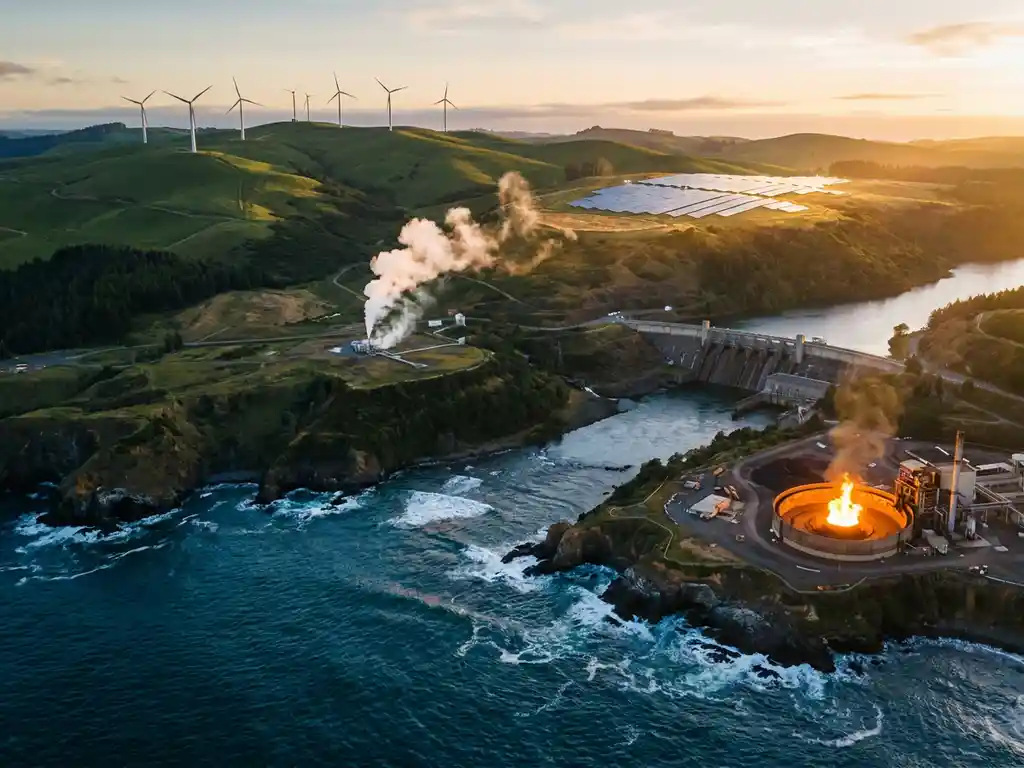
The six main sources of clean energy are solar, wind, hydropower, geothermal, nuclear, and iron fuel. Each of these produces energy with zero or near-zero direct CO₂ emissions, making them viable alternatives to fossil fuels. While the first five are widely known, iron fuel is an emerging technology gaining traction specifically for industrial heat generation. This article unpacks each source, where they fall short, and which ones are actually suited to the demands of industrial processes.
How is clean energy different from renewable energy?
Clean energy refers to any energy source that produces little or no greenhouse gas emissions during use, while renewable energy specifically means energy derived from naturally replenishing sources. All renewable energy is generally considered clean, but not all clean energy is renewable. Nuclear power, for example, is widely classified as clean but relies on finite uranium resources.
The distinction matters because the terms are often used interchangeably, which can create confusion when evaluating energy options. A sustainability manager assessing decarbonisation pathways needs to understand that “clean” is primarily about emissions impact, while “renewable” is about resource origin. In practice, the most relevant question for industrial companies is not which label applies, but whether a given energy source can deliver the required output without generating direct CO₂ emissions.
What are the six main sources of clean energy?
The six main sources of clean energy are solar, wind, hydropower, geothermal, nuclear, and iron fuel. Together, these technologies cover a broad spectrum of applications, from electricity generation to direct heat production, and each has a distinct set of characteristics that determines where it performs best.
- Solar energy: Converts sunlight into electricity via photovoltaic panels or concentrates it as heat through solar thermal systems.
- Wind energy: Uses turbines to convert kinetic energy from wind into electricity, most effectively at scale in onshore or offshore wind farms.
- Hydropower: Generates electricity by harnessing the energy of flowing or falling water, typically through dams or run-of-river systems.
- Geothermal energy: Taps into heat stored beneath the earth’s surface to produce electricity or direct thermal energy.
- Nuclear energy: Releases energy through fission reactions, producing large volumes of low-carbon electricity with high reliability.
- Iron fuel: Burns fine iron powder to produce high-temperature heat with zero direct CO₂ emissions, with the resulting iron oxide regenerated using hydrogen in a closed loop.
Each of these sources plays a different role in the broader energy transition. Understanding what they produce — electricity, heat, or both — is essential for matching the right technology to the right application.
Which clean energy sources produce heat, not just electricity?
Most clean energy sources are primarily designed to generate electricity, not heat. Geothermal energy and solar thermal systems can produce direct heat, but at relatively low temperatures. Iron fuel stands out as the only circular clean energy source purpose-built to deliver high-temperature industrial heat without CO₂ emissions.
This distinction is critical for energy-intensive industries. Industrial processes in sectors like food and beverage, specialty chemicals, and pulp and paper require sustained heat at temperatures that most electricity-based systems struggle to match economically. Converting electricity to heat through resistance heating or heat pumps is technically possible, but it often introduces efficiency losses and significant infrastructure costs.
Geothermal systems are limited by geography and typically cap out at temperatures suitable for space heating or low-grade process heat. Solar thermal can reach higher temperatures in concentrated configurations, but these systems require large land areas and consistent solar irradiance. Iron fuel, by contrast, produces a flame of up to 2,000°C, making it directly compatible with the high-temperature demands of industrial boilers. You can learn more about how iron fuel works and why it is engineered specifically for this purpose.
What are the limitations of the most common clean energy sources?
Each clean energy source comes with real-world constraints that affect its suitability for specific applications. Solar and wind are intermittent by nature, hydropower is geographically constrained, geothermal is limited in reach and temperature, nuclear faces long lead times and public acceptance challenges, and hydrogen requires costly infrastructure. No single source solves every need.
For industrial companies specifically, the most common barriers are:
- Intermittency: Solar and wind only generate energy when the sun shines or the wind blows, making them unreliable as standalone heat sources for continuous industrial processes.
- Temperature ceiling: Heat pumps and geothermal systems rarely reach the temperatures required for high-grade industrial heat, limiting their applicability in many manufacturing contexts.
- Infrastructure dependency: Hydrogen, while promising, requires new pipelines, storage systems, and handling protocols that most industrial sites do not yet have in place.
- Capital intensity: Nuclear and large-scale hydropower require enormous upfront investment and long development timelines, making them impractical for most individual industrial operators.
- Geographic restrictions: Hydropower and geothermal are only viable where the natural resource is available, ruling them out for the majority of industrial sites.
These limitations explain why, despite decades of clean energy development, approximately 80% of industrial heat is still generated by fossil fuels. The gap between ambition and practical deployment remains significant.
Which clean energy source is best for industrial processes?
For high-temperature industrial heat, iron fuel is currently the most practical zero-emission alternative to fossil fuels. It delivers continuous, high-grade heat without CO₂ emissions, integrates with existing boiler infrastructure, and does not depend on grid upgrades or hydrogen pipelines. For electricity-intensive processes, wind and solar combined with storage remain strong options.
The right answer depends on what a process actually needs. Many industrial operations require both electricity and heat, which means the optimal approach often combines sources. However, for direct heat replacement in boiler-based systems, the key criteria are temperature output, reliability, and compatibility with existing equipment. Iron fuel meets all three, which is why it is gaining attention from sustainability managers in sectors where electrification and hydrogen remain out of reach.
Explore the range of industrial clean energy solutions available for energy-intensive processes to understand how different technologies compare in practice.
How do clean energy sources work together in a decarbonised energy system?
In a fully decarbonised energy system, clean energy sources work in complementary roles rather than competing with one another. Solar and wind generate renewable electricity; nuclear and hydropower provide stable baseload power; and purpose-built technologies like iron fuel address the specific challenge of industrial heat, where electricity-based alternatives fall short.
Think of it as a portfolio approach. No single clean energy source can replace fossil fuels across every application. Electricity grids benefit from a mix of intermittent and reliable generation. Industrial heat systems need dedicated solutions that can deliver consistent, high-temperature output independent of weather conditions. Hydrogen plays a role in iron fuel regeneration, connecting the electricity and heat sectors in a practical and circular way.
This interconnection is part of what makes iron fuel particularly relevant for the broader energy transition. The iron oxide produced after combustion is regenerated using green hydrogen, which means the technology actively creates demand for renewable electricity. Rather than existing in isolation, iron fuel becomes a bridge between the power sector and the industrial heat sector, helping both move away from fossil fuels in a coordinated way.
How RIFT helps decarbonise industrial heat
We develop and deliver industrial Iron Fuel Boilers, purpose-engineered clean energy systems that replace fossil fuel-fired heat generation with a fully circular, carbon-free alternative. For sustainability managers facing the dual pressure of emissions targets and operational continuity, our technology offers a practical path forward that does not require a complete overhaul of existing infrastructure.
Here is what sets our approach apart:
- Zero direct CO₂ emissions: Iron fuel combusts with ambient air to produce high-temperature heat with no carbon output at the point of use.
- Up to 95% energy efficiency: Our Iron Fuel Boiler outperforms many traditional fossil fuel systems on efficiency alone.
- Drop-in compatibility: The boiler integrates with existing industrial setups, reducing the need for costly infrastructure changes.
- Reliable fuel supply: Iron powder is abundant, safe to transport in standard containers, and backed by a long-term supply agreement.
- Commercially proven: We signed the world’s first commercial contract for industrial iron fuel deployment with Kingspan Unidek, demonstrating that this technology is ready for real-world application.
Backed by €113.8 million in funding and a clear mission to eliminate 1 gigaton of CO₂ from industrial heat annually by 2050, we are scaling Iron Fuel Technology from pilot to commercial reality. Learn more about us and the team behind the technology, or get in touch to discuss how iron fuel could work for your operations.
Frequently Asked Questions
How does iron fuel compare to hydrogen as a clean fuel for industrial heat?
Both iron fuel and hydrogen can deliver zero-direct-emission industrial heat, but they differ significantly in practical deployment. Hydrogen requires new pipelines, pressurised storage, and specialised handling infrastructure that most industrial sites do not yet have, while iron powder can be transported and stored using existing logistics in standard containers. For sites that cannot wait for hydrogen infrastructure to mature, iron fuel offers a commercially available, drop-in-compatible alternative today.
What types of industries are best suited to adopt iron fuel technology?
Iron fuel is particularly well-suited to energy-intensive industries that rely on continuous, high-temperature heat from boiler-based systems — sectors like food and beverage, specialty chemicals, pulp and paper, and building materials manufacturing. If your facility currently burns natural gas or other fossil fuels to generate process heat above 100°C and needs to meet emissions reduction targets without overhauling your entire infrastructure, iron fuel is worth evaluating as a direct replacement.
What happens to the iron powder after it is burned — is it actually reusable?
Yes, the process is fully circular. When iron powder combusts, it oxidises into iron oxide — essentially rust — which produces no CO₂. That iron oxide is then collected and sent to a regeneration facility, where green hydrogen is used to chemically reduce it back into iron powder, ready to be burned again. This closed-loop cycle means the fuel is continuously recycled, and the only inputs to the system are green hydrogen and ambient air.
How difficult is it to retrofit an existing industrial boiler to run on iron fuel?
Iron fuel technology is specifically engineered for drop-in compatibility with existing industrial boiler infrastructure, which significantly reduces the complexity and cost of adoption compared to a full system replacement. The key requirement is integrating the iron fuel combustion system and fuel-handling components, rather than rebuilding the entire heat generation setup. RIFT works directly with industrial operators to assess site-specific requirements, so the best starting point is a direct conversation with their team to evaluate your existing setup.
Can clean energy sources like solar or wind ever fully replace fossil fuels in industrial heat generation on their own?
Not reliably, at least not with current technology. Solar and wind generate electricity intermittently, and converting that electricity into high-grade industrial heat introduces efficiency losses and demands significant infrastructure investment in electrification or heat storage. For processes that require continuous heat at temperatures above 500°C, electricity-based solutions remain economically and technically challenging at scale, which is precisely the gap that purpose-built solutions like iron fuel are designed to fill.
What should a sustainability manager's first step be when evaluating clean energy options for industrial heat?
Start by mapping your current heat demand: document the temperatures required, the hours of continuous operation, and the volume of heat consumed annually, then compare these against the output characteristics of each clean energy option. This process heat audit will quickly reveal which technologies are physically capable of meeting your needs and which fall short on temperature, reliability, or compatibility. From there, you can assess commercial readiness, infrastructure requirements, and total cost of transition for the shortlisted options.
Is iron fuel technology commercially available right now, or is it still in a research and development phase?
Iron fuel technology has moved beyond the R&D stage and into commercial deployment. RIFT signed the world’s first commercial contract for industrial iron fuel with Kingspan Unidek, demonstrating that the technology is operational in a real industrial setting, not just a laboratory. Backed by over €113 million in funding and a scaling roadmap toward 1 gigaton of annual CO₂ reduction by 2050, RIFT is actively working with industrial partners to expand deployment across energy-intensive sectors.
Related Articles
- Will EU ETS carbon prices keep rising and what does that mean for industry?
- How do you balance emissions targets with operational continuity in manufacturing?
- How can manufacturers reduce upfront investment when switching to clean heat?
- Is renewable energy affordable for the average household?
- What are the 7 types of renewable energy?
This content was generated with the help of AI and it may contain mistakes