

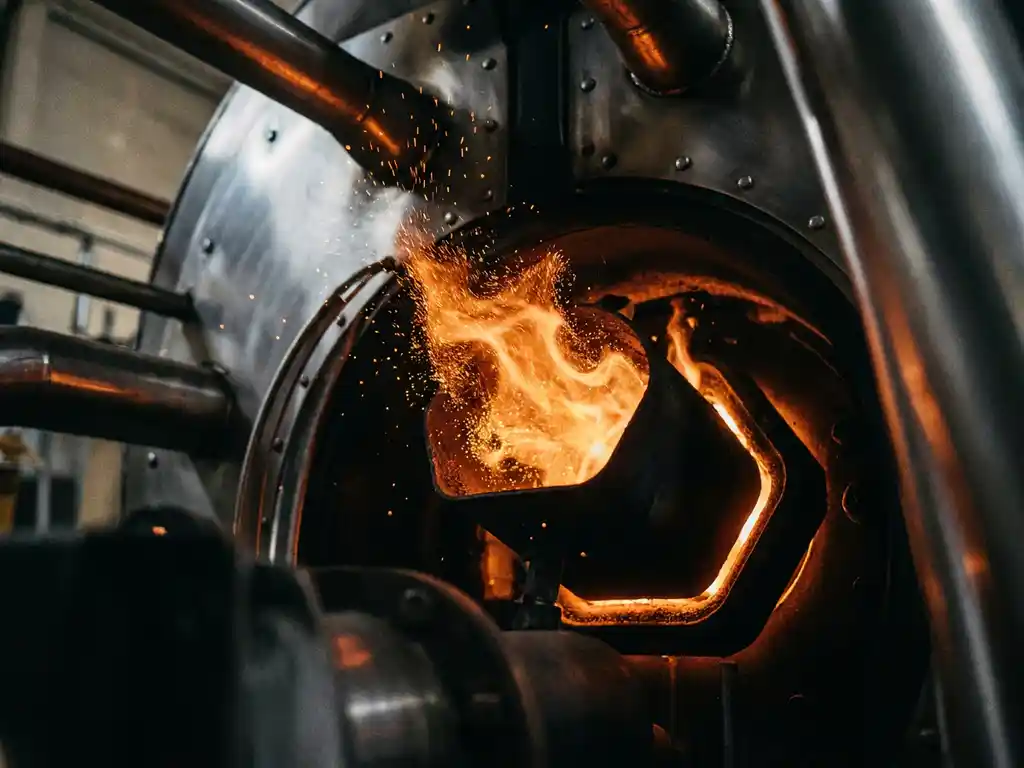
Green energy is important because it generates power and heat without releasing the carbon dioxide and other greenhouse gases that drive climate change. Unlike fossil fuels, renewable energy sources draw on naturally replenishing resources, meaning they can meet today’s energy needs without depleting what future generations will rely on. The sections below unpack the most common questions people ask about green energy, from how it cuts emissions to how industrial companies can begin making the switch.
How does green energy actually reduce carbon emissions?
Green energy reduces carbon emissions by replacing combustion processes that burn fossil fuels with energy generation methods that produce little or no CO₂. When coal, gas, or oil burns to create heat or electricity, carbon stored over millions of years is released into the atmosphere in minutes. Green energy sources either avoid combustion entirely or use fuels that are part of a closed carbon cycle, keeping emissions at or near zero.
The impact compounds over time. As more electricity grids integrate wind and solar, and as industries replace fossil-fired boilers with carbon-free heat sources, the cumulative reduction in greenhouse gas output becomes significant. For heavy industries in particular, switching the energy source behind high-temperature processes is one of the most direct levers available for cutting Scope 1 emissions.
What are the main types of green energy available today?
The main types of green energy available today include solar, wind, hydropower, geothermal, biomass, and emerging circular fuel technologies such as iron fuel. Each source works differently and suits different applications, from electricity generation to industrial heat production.
- Solar energy: Converts sunlight into electricity via photovoltaic panels or concentrated solar heat systems.
- Wind energy: Uses turbines to generate electricity from moving air, increasingly deployed offshore at large scale.
- Hydropower: Harnesses the kinetic energy of flowing or falling water, one of the oldest and most reliable renewable sources.
- Geothermal energy: Taps heat from within the Earth, particularly effective in volcanically active regions.
- Biomass: Burns organic material such as wood pellets or agricultural waste; considered renewable when managed sustainably, though it does produce CO₂ at the point of combustion.
- Iron fuel: A circular energy carrier where iron powder burns to produce high-temperature heat with zero CO₂ emissions, and the resulting iron oxide is regenerated using hydrogen for reuse.
Not every green energy type is suited to every application. Electricity-based renewables work well for lighting, computing, and some heating, but high-temperature industrial processes often require dedicated heat sources with specific output characteristics.
Why is green energy important for heavy industry specifically?
Green energy is especially important for heavy industry because industrial heat is one of the largest and hardest-to-decarbonize sources of global emissions. Industry accounts for roughly a third of total global energy consumption, and the majority of that energy goes toward generating heat, most of which still comes from fossil fuels. Decarbonizing that heat is essential to meeting climate targets.
For sectors like food and beverage, specialty chemicals, and pulp and paper, the challenge is particularly acute. These industries need continuous, high-temperature heat that cannot easily be replaced by electricity alone. Grid infrastructure is often insufficient, and hydrogen supply chains are still developing. This leaves many companies in a difficult position: they face real pressure to cut emissions but have limited practical options.
That is precisely why industrial green energy solutions designed specifically for high-temperature heat are gaining traction. Technologies that can integrate with existing boiler infrastructure without requiring a complete overhaul offer a realistic path forward for industries that cannot afford to wait for infrastructure to catch up.
What are the economic benefits of switching to green energy?
Switching to green energy delivers economic benefits through lower long-term energy costs, reduced exposure to volatile fossil fuel prices, and avoidance of increasing carbon costs under regulatory frameworks like the EU Emissions Trading System. Over time, the financial case for green energy strengthens as fossil fuel costs rise and clean technology becomes more competitive.
The economic argument also extends beyond direct energy bills:
- Regulatory cost avoidance: Carbon pricing mechanisms make fossil fuel use progressively more expensive. Companies that transition early reduce their exposure to rising compliance costs.
- Energy price stability: Renewable and circular energy sources are less susceptible to the geopolitical shocks that cause fossil fuel price spikes, making long-term budgeting more predictable.
- Customer and investor expectations: Sustainability credentials increasingly influence procurement decisions and access to capital. Companies with credible decarbonization plans are better positioned with both customers and financiers.
- Operational efficiency: Many modern green energy systems are engineered for high efficiency. For example, advanced iron fuel boiler systems can achieve energy efficiency of up to 95%, which compares favorably with older fossil fuel equipment.
The upfront investment in green energy technology remains a real barrier for many companies, but funding mechanisms, EU grants, and long-term supply agreements are increasingly available to help bridge the gap between current fossil fuel costs and the cost of decarbonized alternatives.
What’s the difference between green energy and clean energy?
Green energy refers specifically to energy derived from natural, renewable sources such as sunlight, wind, and water. Clean energy is a broader term that covers any energy source producing little or no harmful emissions, including technologies that are not strictly renewable. All green energy is clean energy, but not all clean energy is green.
Nuclear power is a common example of this distinction. It produces virtually no CO₂ during operation and is therefore considered clean energy, but it relies on uranium, a finite resource, so it does not qualify as green. Similarly, iron fuel technology produces zero direct CO₂ emissions and operates in a fully closed loop, making it a clean energy carrier. Its circularity, where iron oxide is regenerated and reused indefinitely, also gives it characteristics associated with green energy.
For sustainability managers building a business case internally, this distinction matters. Regulatory frameworks, green procurement standards, and corporate sustainability reporting often define eligibility criteria differently. Understanding whether a technology qualifies as renewable, low-carbon, or circular can affect how it is classified in emissions reporting and whether it satisfies specific contractual or compliance requirements.
Learn more about how iron fuel technology works as a circular, carbon-free energy carrier.
How can industrial companies start transitioning to green energy?
Industrial companies can start transitioning to green energy by auditing their current energy use, identifying the largest emission sources, and then evaluating which green energy technologies are technically and commercially viable for their specific processes. A phased approach, starting with the highest-impact changes, is generally more practical than attempting a full overhaul at once.
Practical first steps include:
- Mapping Scope 1 emissions to understand exactly where fossil fuels are being used and at what temperatures.
- Assessing whether existing infrastructure, such as boilers or heat systems, can be adapted or complemented rather than replaced entirely.
- Evaluating green energy technologies against operational requirements, including temperature output, fuel availability, and integration complexity.
- Engaging with technology providers early to understand commercial timelines, supply agreements, and available funding or grant support.
- Building an internal business case that addresses both emissions targets and financial accountability, since sustainability managers typically need to secure board-level buy-in.
The key is to avoid treating the transition as a single, all-or-nothing decision. Many companies find that piloting a new technology alongside existing fossil fuel equipment allows them to validate performance and build confidence before committing to full deployment.
How RIFT helps industrial companies switch to green energy
We develop and deliver industrial iron fuel boilers that replace fossil fuel-fired heat with a fully circular, carbon-free alternative, without requiring companies to rebuild their entire energy infrastructure from scratch. Our technology is designed specifically for the industries where electrification and hydrogen fall short.
Here is what working with us looks like in practice:
- Drop-in compatibility: Our iron fuel boiler is designed to complement existing boiler setups, reducing the complexity and cost of integration.
- Zero direct CO₂ emissions: Iron powder burns cleanly at temperatures up to 2,000°C, producing steam, hot water, or hot air with no carbon output.
- Up to 95% energy efficiency: Our system outperforms many traditional fossil fuel boilers on efficiency, not just emissions.
- Long-term fuel supply: We provide iron fuel under long-term supply agreements, giving companies the cost predictability they need to plan ahead.
- Proven commercial track record: We signed the world’s first commercial contract for industrial iron fuel use with Kingspan Unidek, and we are backed by €113.8 million in funding to scale this technology to more industries.
If you are a sustainability manager exploring practical, high-efficiency alternatives to fossil heat, we would welcome the conversation. Get in touch with our team to discuss what iron fuel could mean for your operations.
Frequently Asked Questions
How do I know which green energy technology is the right fit for my industrial process?
The right fit depends primarily on the temperature requirements of your process, your existing infrastructure, and the availability of fuel or grid connections at your site. Electricity-based renewables work well for low-to-medium temperature applications, while processes requiring continuous high-temperature heat — above 500°C, for example — often need dedicated heat technologies like iron fuel or advanced biomass systems. The best starting point is a detailed energy audit that maps your heat demand profile, which gives technology providers the data they need to recommend a viable solution.
What are the most common mistakes companies make when transitioning to green energy?
One of the most common mistakes is assuming that a single technology — most often solar or wind — can cover all energy needs, including high-temperature industrial heat. Another frequent misstep is delaying action until infrastructure (such as hydrogen pipelines or grid upgrades) is fully in place, which can mean missing years of cost savings and falling behind on regulatory compliance. Starting with a clear emissions map and evaluating technologies against your specific operational requirements, rather than industry trends alone, helps avoid both pitfalls.
How does carbon pricing like the EU ETS affect the financial case for switching to green energy?
Under the EU Emissions Trading System, companies must purchase allowances for every tonne of CO₂ they emit, and the price of those allowances has been rising steadily. This directly increases the operating cost of fossil fuel-based processes year over year, making the relative cost of green alternatives more competitive over time. Companies that transition earlier lock in lower compliance costs and reduce their exposure to future price increases, which can be a compelling argument when building a board-level business case for investment.
Can green energy technologies integrate with our existing boiler or heat infrastructure, or do we need to replace everything?
Many modern green energy systems, including iron fuel boiler technology, are specifically engineered for compatibility with existing industrial heat infrastructure, meaning a full replacement is often not necessary. A phased integration approach — running a new green heat source alongside existing equipment — is both technically feasible and commercially lower-risk, as it allows performance validation before full commitment. Always discuss integration requirements with your technology provider early in the evaluation process, since compatibility can significantly affect both the timeline and the total cost of transition.
What funding or financial support is available to help offset the upfront cost of green energy investment?
Several funding routes are available to industrial companies in Europe, including EU Innovation Fund grants, national decarbonization subsidy schemes, and green financing products offered by banks aligned with sustainable investment frameworks. Some green energy technology providers also offer long-term fuel supply agreements or leasing structures that spread costs over time, reducing the capital burden of switching. Engaging with both your technology provider and a sustainability-focused financial advisor early can help identify which instruments apply to your sector and project scale.
How should green energy adoption be reflected in our Scope 1, 2, and 3 emissions reporting?
Switching to a carbon-free heat source like iron fuel directly reduces Scope 1 emissions, since those cover direct combustion at your facility. Transitioning to renewable electricity addresses Scope 2 emissions from purchased energy. The classification of a technology in your reporting — whether as renewable, low-carbon, or circular — matters because different frameworks and standards (such as GHG Protocol, CDP, or EU Taxonomy) have specific eligibility criteria. It is advisable to work with your sustainability reporting team and, if needed, an external auditor to ensure that any new technology is correctly categorised and that the emissions reductions are accurately reflected in your disclosures.
How long does a typical green energy transition take for an industrial facility?
Timelines vary considerably depending on the scale of the transition, the complexity of existing infrastructure, and the technology being adopted, but most industrial green energy projects move through a phased process spanning one to five years from initial audit to full deployment. Pilot or demonstration phases typically run six to eighteen months and are strongly recommended before full-scale rollout. Starting the process now — even with an energy audit or early conversations with technology providers — is important, given that regulatory pressure and carbon costs are increasing on a fixed timeline regardless of where a company is in its transition journey.
Related Articles
- How do you calculate the total cost of decarbonizing industrial heat?
- What is green hydrogen and how is it produced?
- How does offshore wind energy work?
- What is the difference between solar and wind energy?
- What is geothermal energy used for?
This content was generated with the help of AI and it may contain mistakes